Thinking about selling your Wayne home but not sure where to start? You want a standout sale without months of disruption or wasted spend. With the right prep, you can position your home to shine for Main Line buyers who value convenience, character, and strong local amenities. This guide gives you a clear, step-by-step plan tailored to Wayne’s unique market so you know what to fix, what to skip, and how to time your launch. Let’s dive in.
Understand the Wayne market
Wayne spans multiple municipalities, commonly Radnor Township and Tredyffrin Township, and nearby Main Line townships. Rules for permits, disclosures, fees, and inspections can vary by township, so confirm your property’s exact township and county early in the process.
Spring and early summer are traditional peak selling seasons on the Main Line. More buyers are active then, and curb appeal is easier to show. Off-peak listings can still win if you have less competition and a strong presentation. Weigh your timeline against seasonal demand and the school calendar.
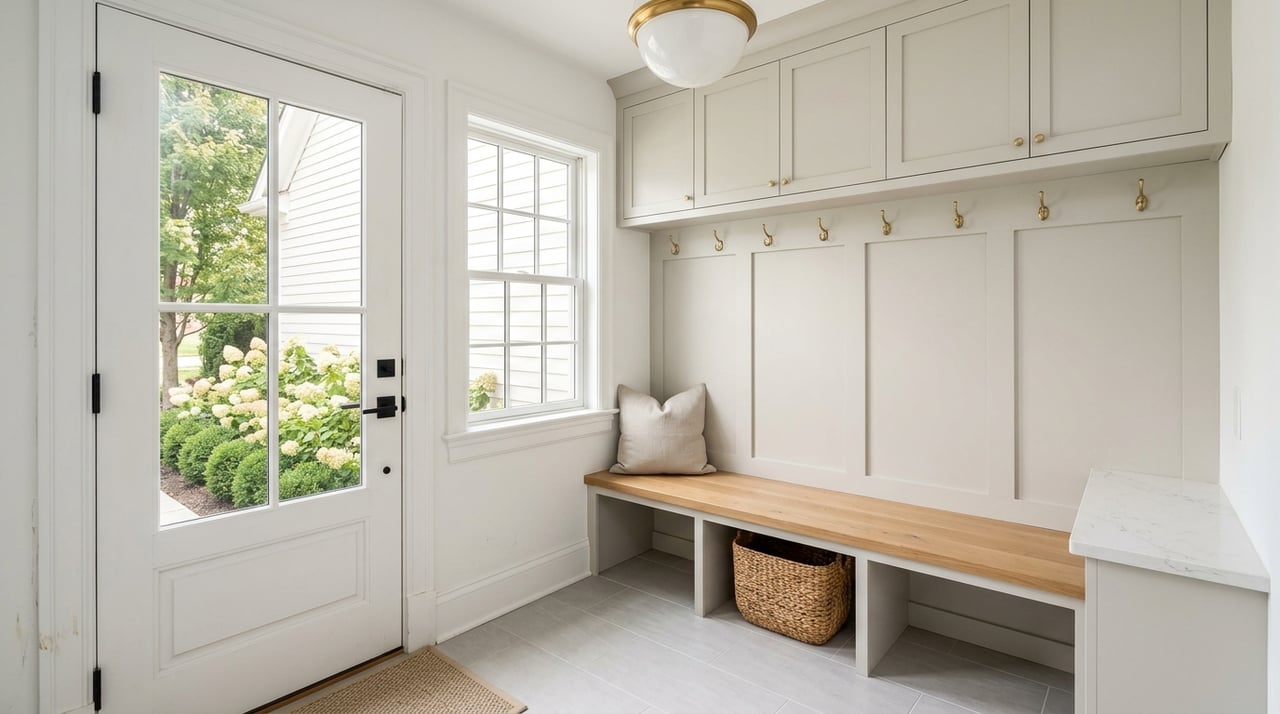
Most Wayne buyers want move-in ready homes with modernized kitchens and baths, balanced with preserved architectural character. Proximity to train access, garage or driveway parking, storage, and usable outdoor space also rank high. Make sure your listing and media highlight these strengths clearly.
Triage your prep: essentials first
You do not need a full renovation to sell well. Start with the must-dos that lower buyer friction and photograph beautifully.
- Declutter and depersonalize. Remove personal photos, heavy collections, and extra furniture. Consider short-term offsite storage.
- Deep clean everywhere. Windows, baseboards, inside appliances, and grout. A professional cleaning can pay for itself in buyer confidence.
- Knock out minor repairs. Fix drips, squeaks, loose handrails, torn screens, and dated or broken hardware and lights.
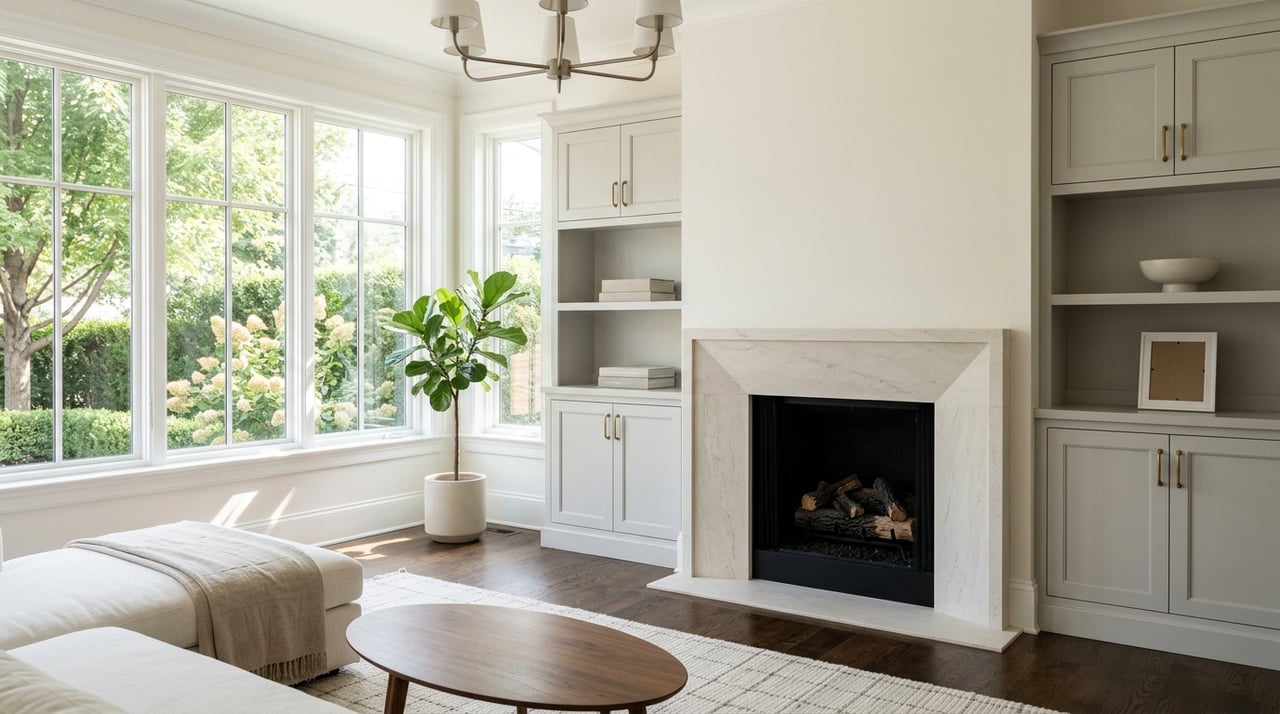
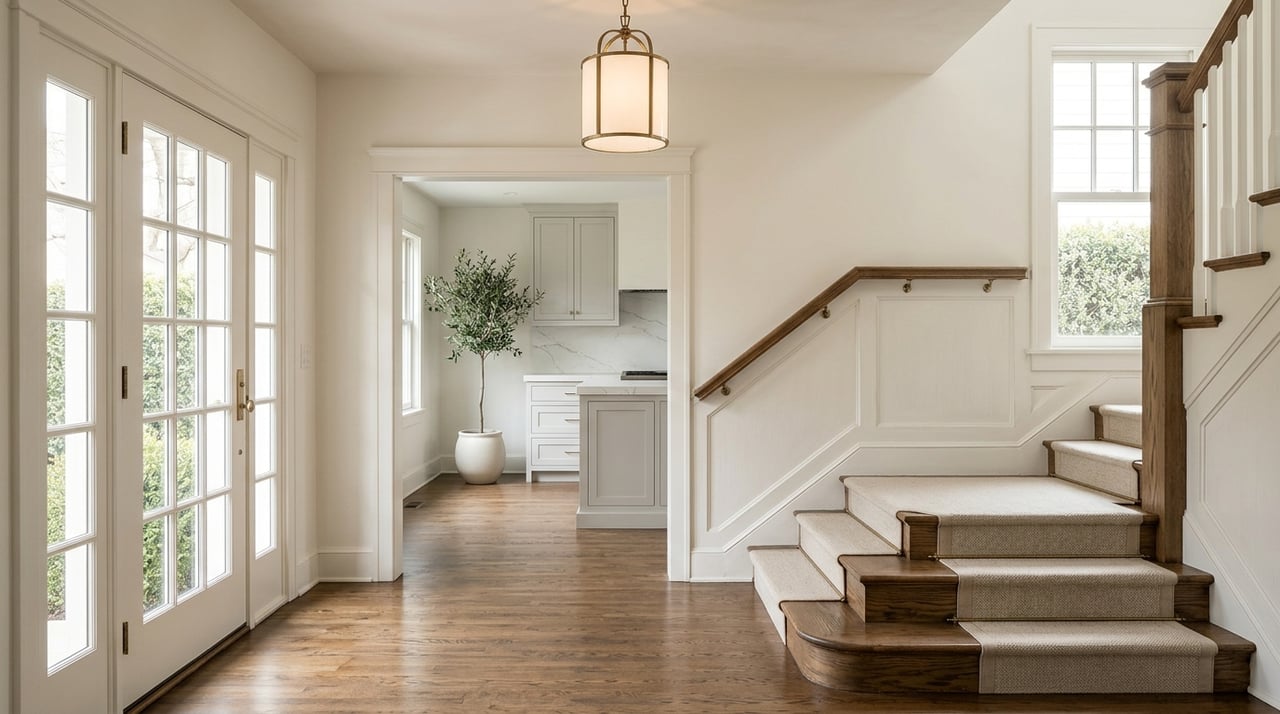
- Neutralize paint. Fresh, neutral paint in high-traffic rooms unifies spaces and brightens photos.
High-impact updates buyers notice
Small, focused upgrades create a turn-key feel without a major spend.
- Lighting. Swap dated fixtures, use warm white LED bulbs, and add brighter bulbs where safe and appropriate.
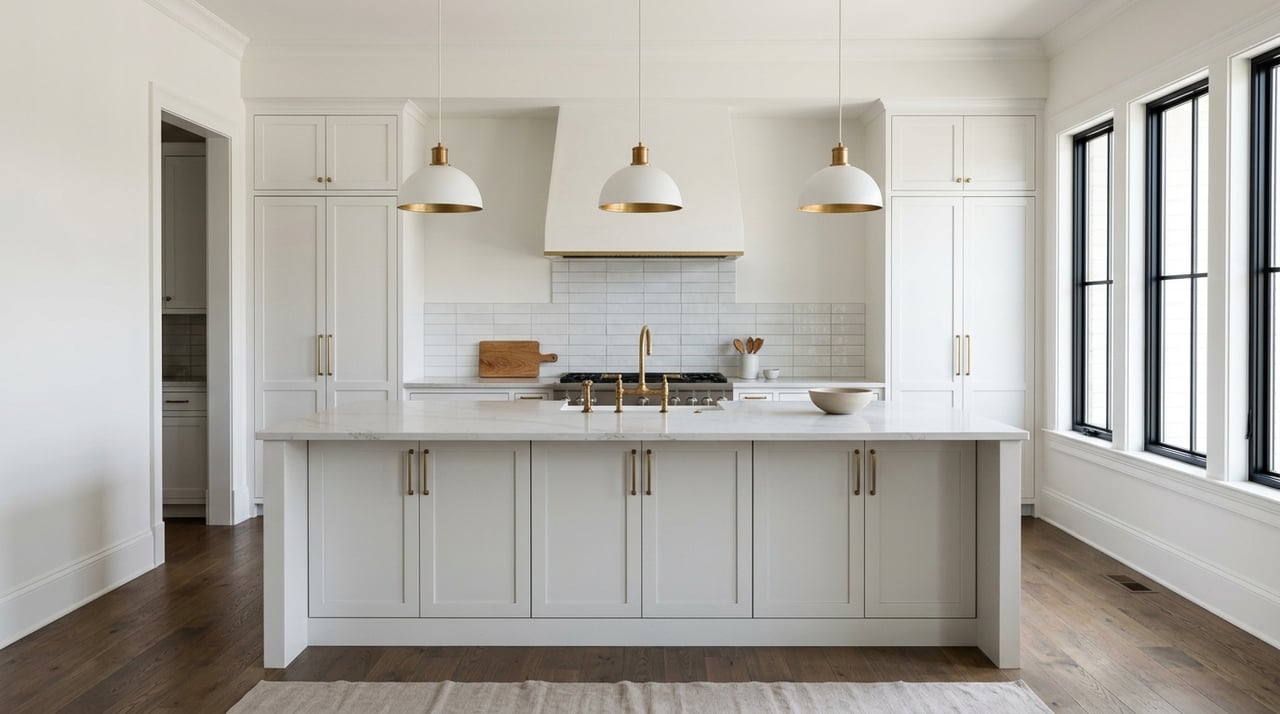
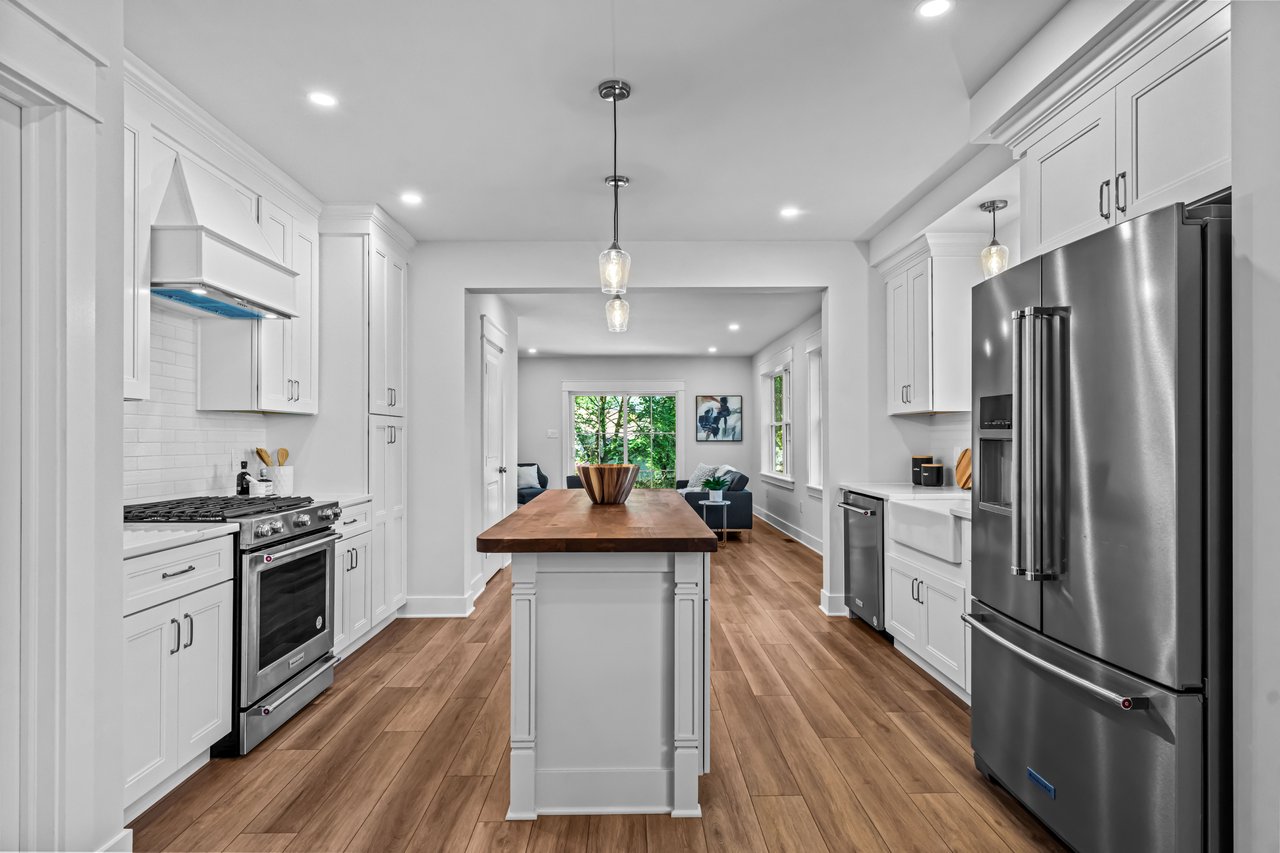
- Kitchen refresh. Paint or reface cabinets, update hardware, refresh grout, and consider a modest counter upgrade if surfaces are heavily worn.
- Bath refresh. Reglaze a stained tub, recaulk and regrout, replace tired mirrors and lights, and add a clean vanity top if needed.
- Flooring. Refinish scratched hardwoods where visible and replace threadbare carpet in small rooms for a clean, consistent look.
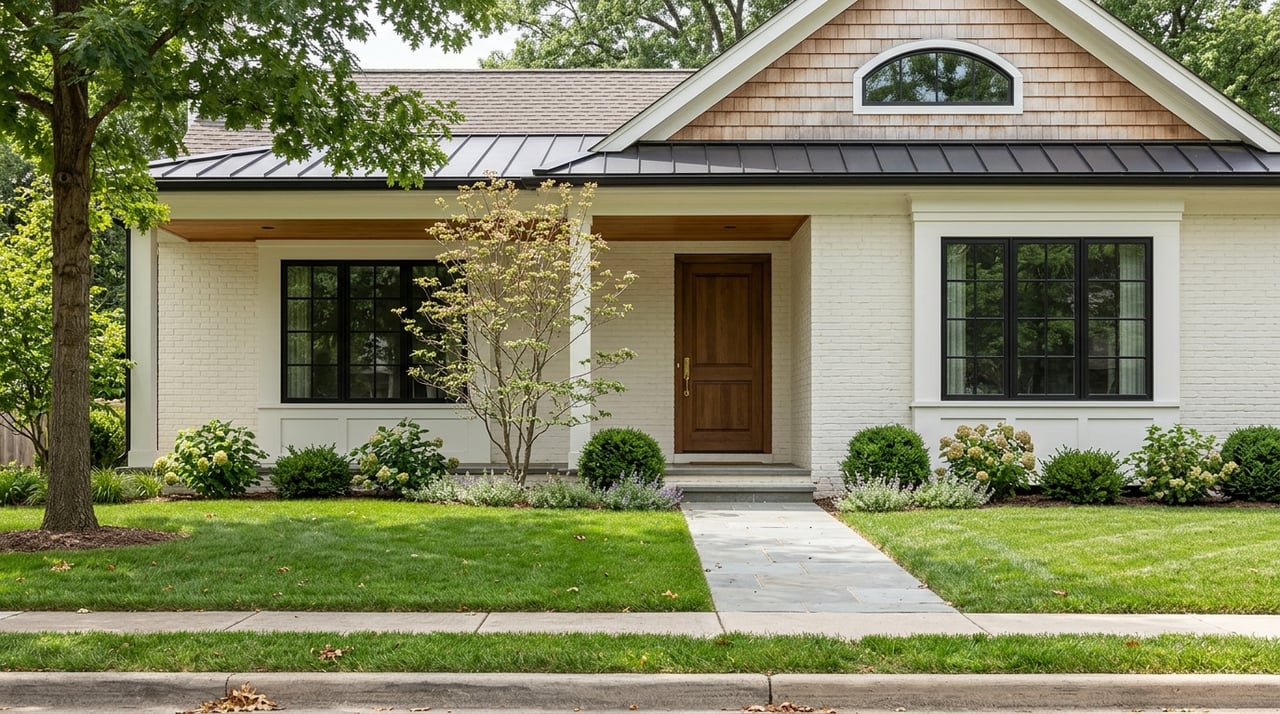
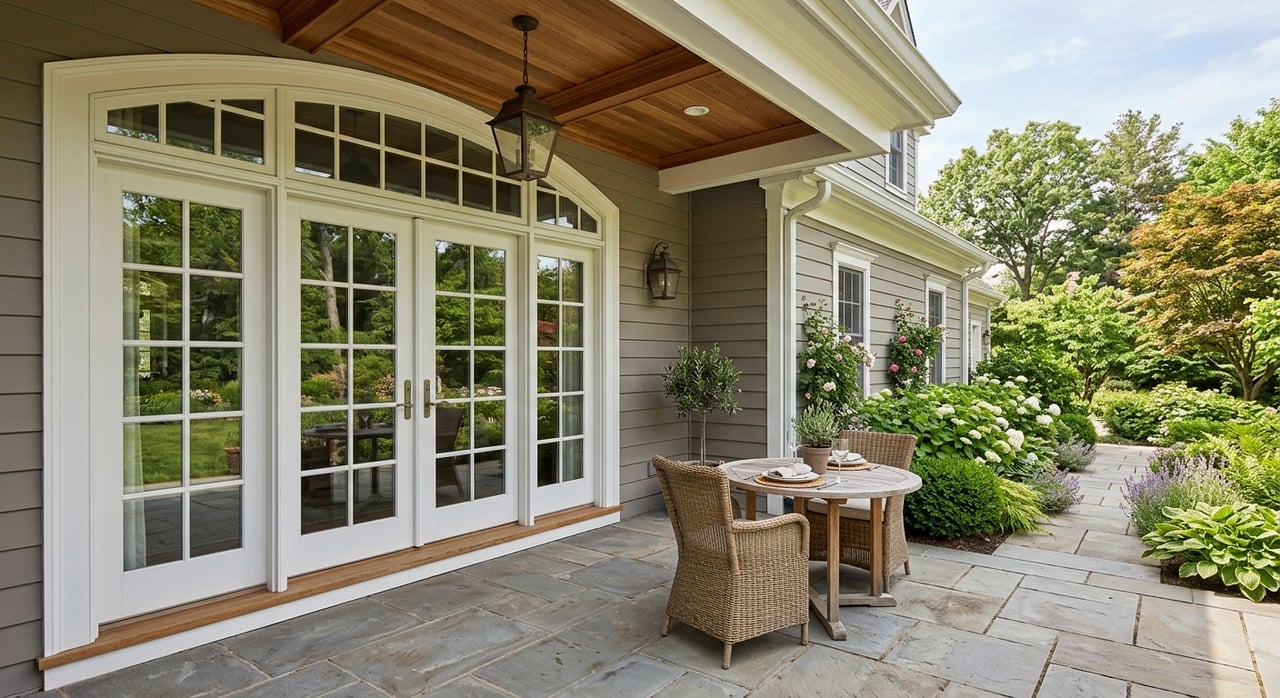
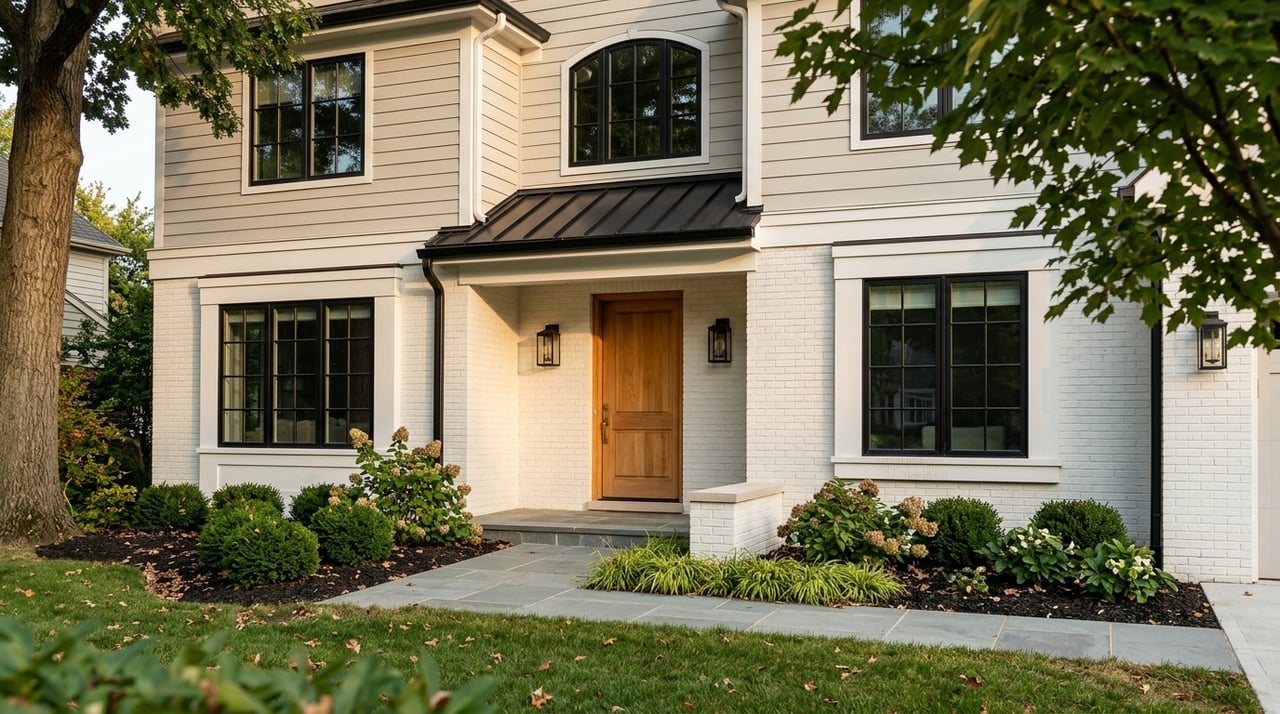
- Curb appeal. Tidy lawn and beds, trim shrubs, add fresh mulch, power-wash hardscapes, and paint the front door. Update house numbers or the mailbox for a crisp first impression.
When bigger projects make sense
Reserve major work for situations where comps support a clear price premium or where repairs would otherwise derail a sale.
- Major kitchen or bath remodel. Consider only if local comparables show a strong return and your timeline allows.
- System and structural fixes. Address flagged issues in roofing, HVAC, electrical, or plumbing that could spook buyers or trigger renegotiation.
- Added living space. Finished basements or attics can add value if well executed and properly permitted. Review local comps and costs before you commit.
Industry insights consistently show modest exterior upgrades and light kitchen projects often deliver stronger regional ROI than full gut remodels. Use recent local sales to set expectations and avoid overbuilding for the neighborhood.
Stage with Wayne buyers in mind
Staging principles
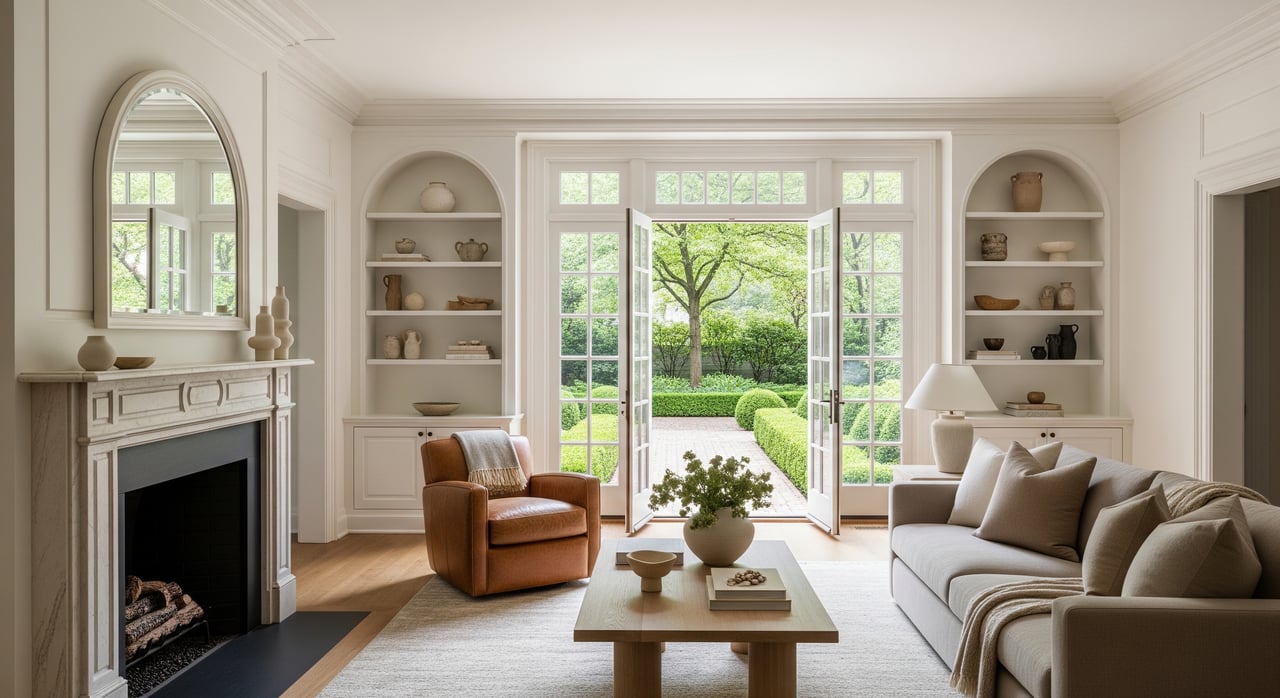
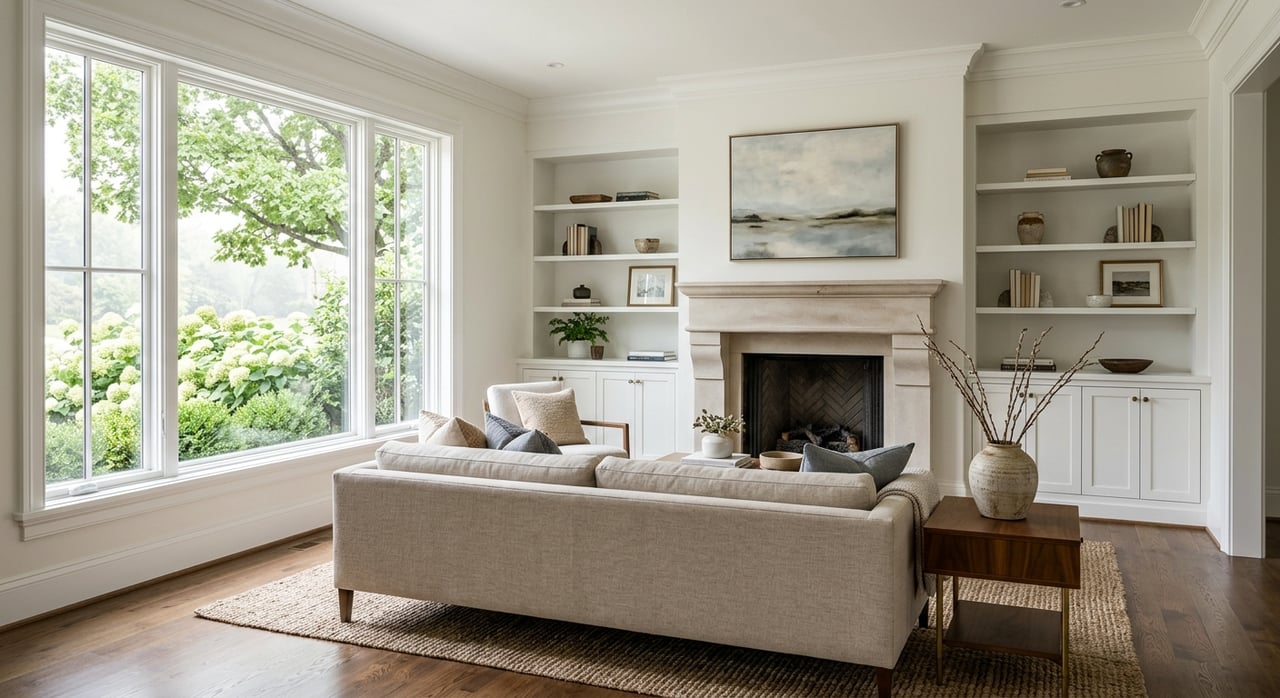
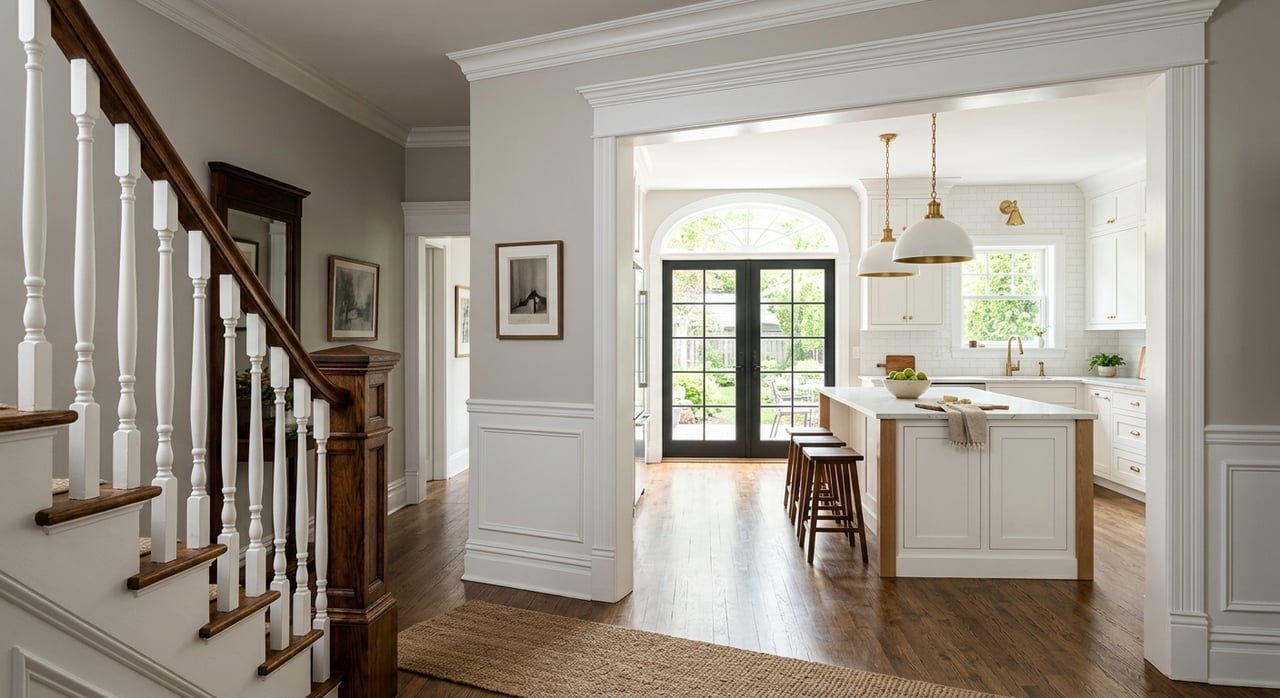
Highlight what Main Line buyers value: proximity to village amenities or train service, preserved millwork and character, storage and parking, and usable outdoor space. Keep styling neutral and current while letting architectural details shine.
Room-by-room focus
- Curb and entry. Fresh doormat, tidy mailbox, trimmed hedges, and minimal seasonal decor. The entry photo drives clicks.
- Living room. Pull excess furniture, create a simple conversational layout, and add neutral textiles.
- Kitchen. Clear counters, leave one or two styled items, and ensure appliances sparkle.
- Primary bath. Clear surfaces, fresh white towels, clean grout and glass.
- Bedrooms. Make the bed hotel-neat, keep decor minimal, and show closets with breathing room.
Stage at least one secondary room for flexibility, such as an office or nursery, to connect with buyer needs.
Pets and odors
Neutralize pet and cooking odors with deep cleaning and upholstery refreshes. If possible, relocate pets for showings.
Virtual vs. in-person staging
Virtual staging can help with vacant homes. Label virtually staged photos clearly and include at least one empty-room image for scale.
Pro photography and media that convert
- Hire a professional Main Line real estate photographer with true-to-life color and careful HDR usage.
- Lead your photo set with the exterior, then the primary living area and kitchen.
- Consider twilight shots for strong curb appeal and drone photos if lot or setting is a key asset.
- Provide a floor plan and optional 3D tour. Buyers expect accurate measurements and clear flow.
- Prepare a digital packet with recent utility bills, permits, service records, and HOA documents if applicable to streamline offers.
Permits and contractor planning
Permit rules vary by township. Cosmetic interior work like painting or carpet typically does not require permits, while structural changes, additions, significant electrical or plumbing, new HVAC, decks, fences, and many exterior alterations usually do. Confirm requirements with your township’s Building and Planning Department before starting any work.
When vetting contractors:
- Verify licensing and insurance for trades that require it.
- Get at least three written, itemized estimates with timelines and payment terms.
- Ask for local references and review recent projects.
- Clarify who is pulling permits and document change-order procedures in writing.
A pre-list home inspection can surface issues to fix before buyers see them. It may reduce renegotiation and speed closing, though disclosure rules apply.
Timeline and budget planning
Match your prep plan to your desired launch date. Typical scenarios:
- Quick list, minimal fixes: 1 to 3 weeks for declutter, clean, touch-ups, staging, and photos.
- Moderate refresh: 3 to 6 weeks for painting, light kitchen and bath updates, flooring spot-fixes, staging, and media.
- Renovate before listing: 6 to 12+ weeks for larger projects, plus permit and inspection time.
Build in buffer for contractor scheduling, township reviews, and inspections. Prioritize projects that move your home from “needs work” to “show-ready.”
Pre-list checklist
- Confirm your exact township and county for permit and tax details.
- Review recent local comps with your agent to set scope and price.
- Declutter and arrange offsite storage for extras.
- Deep clean the entire home or hire pros.
- Complete minor repairs and update obvious hardware and lights.
- Touch up or repaint walls in neutral tones.
- Refinish or replace visibly worn flooring.
- Boost curb appeal with tidy landscaping and a fresh front door.
- Stage key rooms and define flexible spaces.
- Hire a professional photographer, order a floor plan, and consider a 3D tour.
- Gather a digital packet: utilities, warranties, permits, inspection reports, and HOA docs if applicable.
- If tackling larger work, collect written estimates, check references, secure permits, and lock your timeline.
When to list in Wayne
If you have flexibility, target spring and early summer for maximum buyer traffic, while coordinating closing with the school calendar if that matters for your move. If timing is tight, lean on great presentation and pricing strategy to outshine any seasonal headwinds. A sharp, move-in ready feel can perform well year-round.
Ready to sell with less stress
You can create a clean, compelling, and market-ready Wayne listing without over-investing. A clear plan, thoughtful staging, and premium media set the stage for stronger offers. If you want hands-on help coordinating prep, integrated construction and design support, and a high-production marketing rollout, schedule a conversation with Collin Whelan.
FAQs
Do I need to renovate my Wayne kitchen before selling?
- Not always; many buyers respond well to a cosmetic refresh like painted cabinets, updated hardware, lighting, and clean counters when the layout and appliances function well.
What is the best month to list a Wayne home?
- Spring and early summer typically see more buyer activity, but a well-prepared home can perform in off-peak months if competition is lower.
How much staging should I do for a historic Wayne home?
- Keep styling neutral and light so original details stand out, define room functions clearly, and avoid heavy decor that hides millwork or scale.
Should I get a pre-list home inspection in Wayne?
- It can be useful to surface repairs early and reduce renegotiations; weigh the cost and disclosure requirements against your timing and budget.
What permits might I need before listing in Wayne?
- Cosmetic updates rarely need permits, while structural, electrical, plumbing, HVAC, decks, and exterior changes often do; confirm with your specific township.
Can I sell my Wayne home as-is?
- You can, but in Wayne’s mainstream market, condition often affects price and days on market; discuss trade-offs and likely buyer pools with your agent.