Shopping for a home in Villanova can feel like walking through an open-air architecture gallery. Stone façades, steep slate roofs, timbered gables and gracious porticos each tell a story about how the Main Line grew around the railroad, the university and the area’s grand estates. If you love character but want modern comfort, it helps to know what you are looking at and what it means for daily living and maintenance.
This guide breaks down the architectural styles you will find in Villanova, how they live, where they tend to cluster and what upgrades to plan for. You will also get practical tips to match a house type to your lifestyle and budget. Let’s dive in.
Why Villanova looks the way it does
Villanova grew up around the Pennsylvania Railroad and the legacy of large estates, with Villanova University as an anchor. That history is why you see a strong mix of stone manors, early suburban cottages and newer custom builds. The estate era left an imprint of classic Georgian, Colonial Revival and Tudor forms that still shape the market today. For context on that legacy, see the overview of Main Line estates and architects in Main Line Today’s estate history.
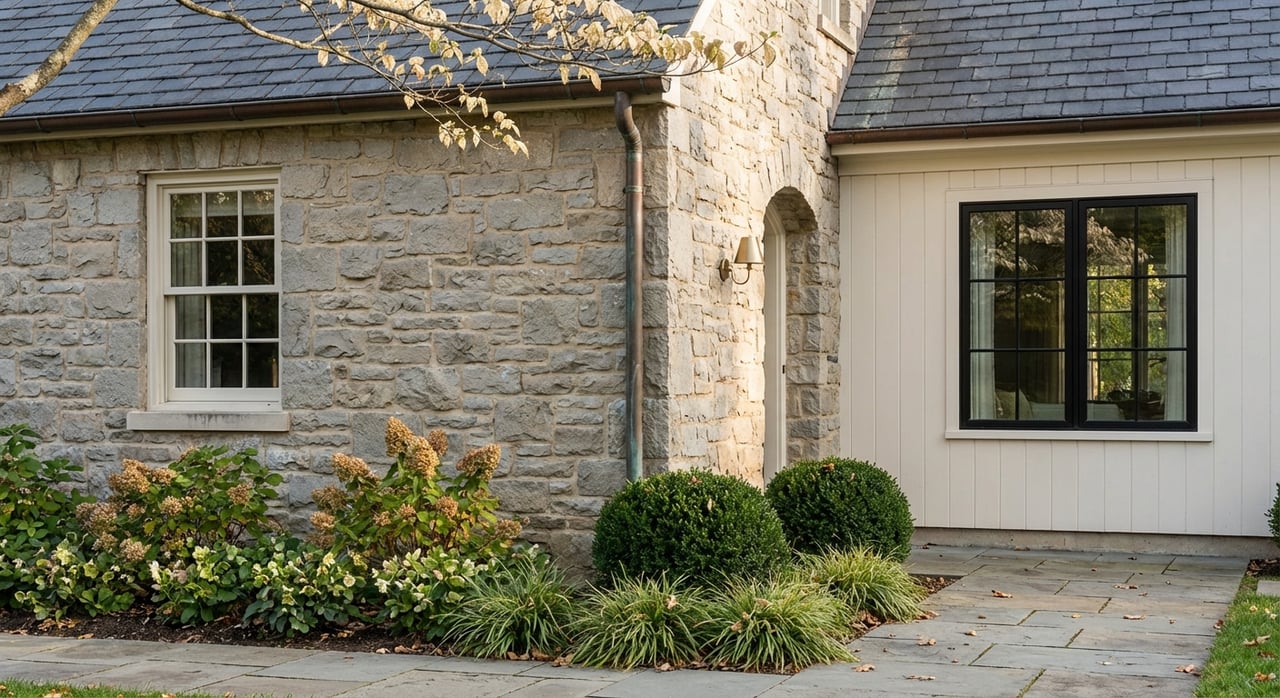
Local stone also defines the look. Southeastern Pennsylvania’s schists and fieldstones were widely used for foundations and façades, which is why so many Villanova homes have that timeless stone presence. The regional materials story is well documented in SAH Archipedia’s essay on Eastern Pennsylvania.
Commuting access rounds out the lifestyle picture. Villanova sits on SEPTA’s Paoli Thorndale regional rail line, giving you a straightforward ride to Center City. For station and route context, see SEPTA’s Villanova destination page.
Quick ID: Villanova home styles
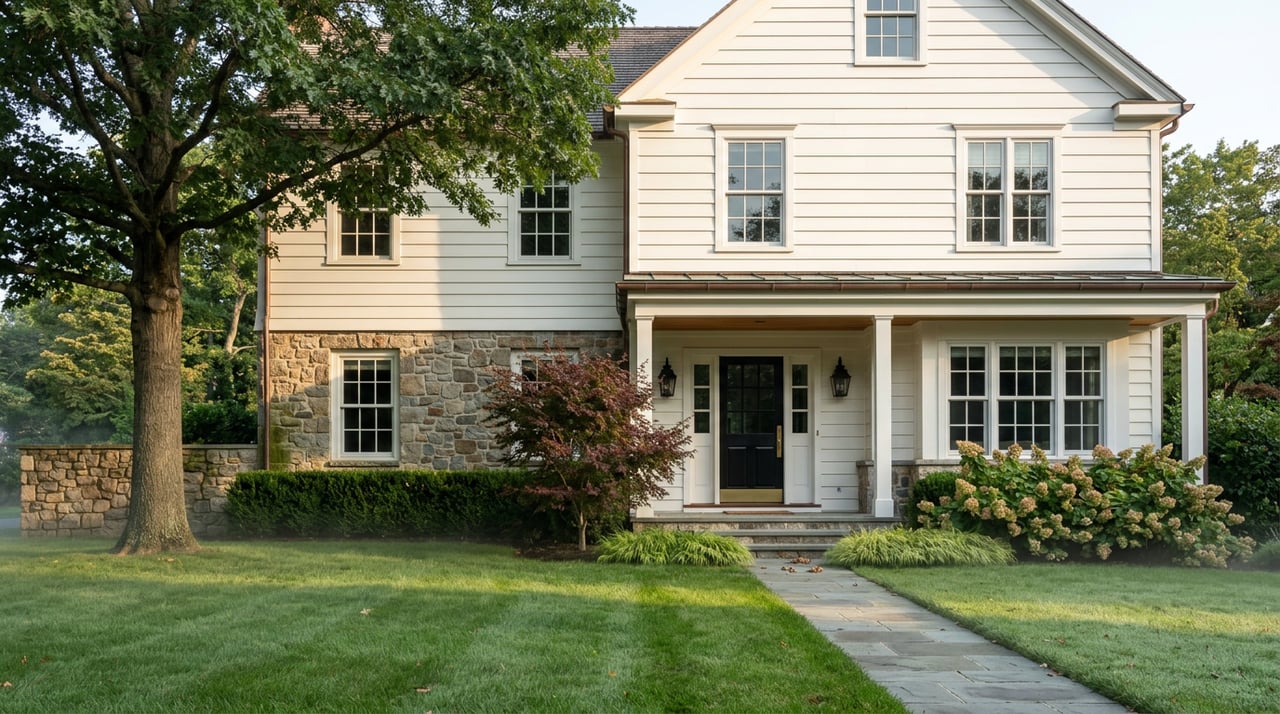
Stone Colonial, Georgian and Colonial Revival
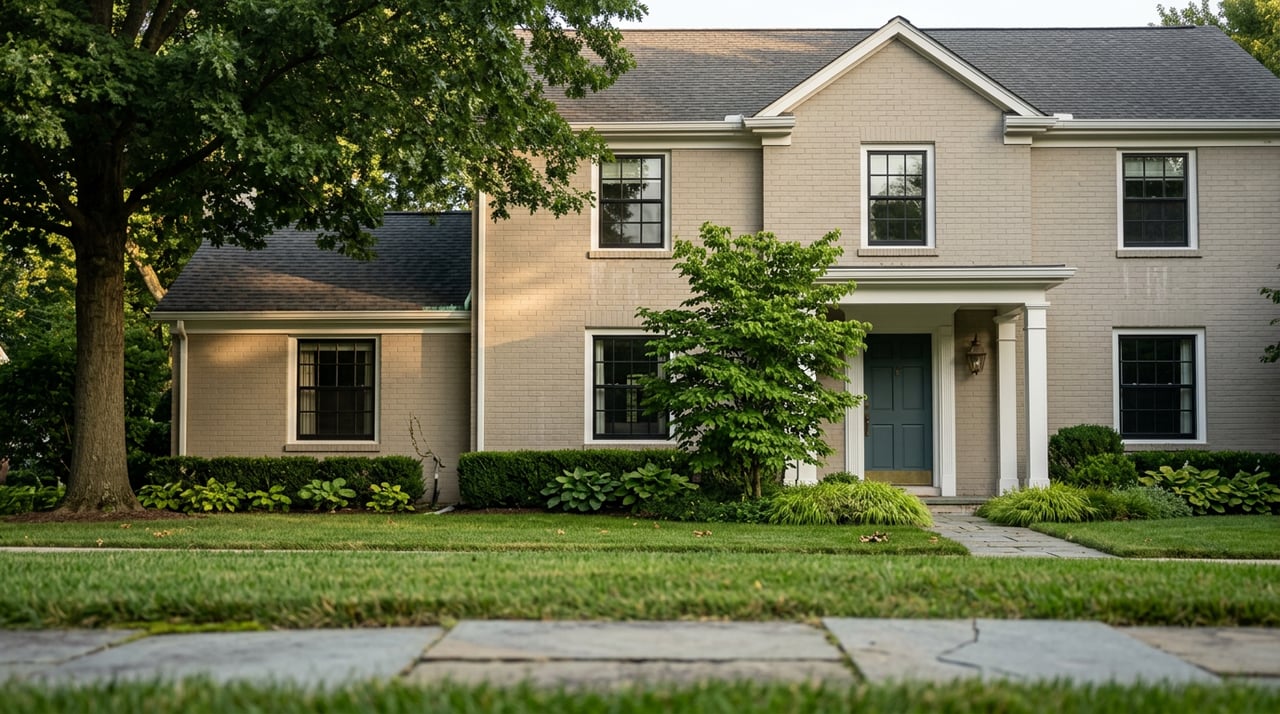
- What to look for: Symmetrical façades, columned or pedimented entries, multi-pane double-hung windows, and stone or brick cladding. Larger examples often sit on generous lots with formal terraces. High-end comps frequently feature this look, as seen in Main Line Today’s market snapshots.
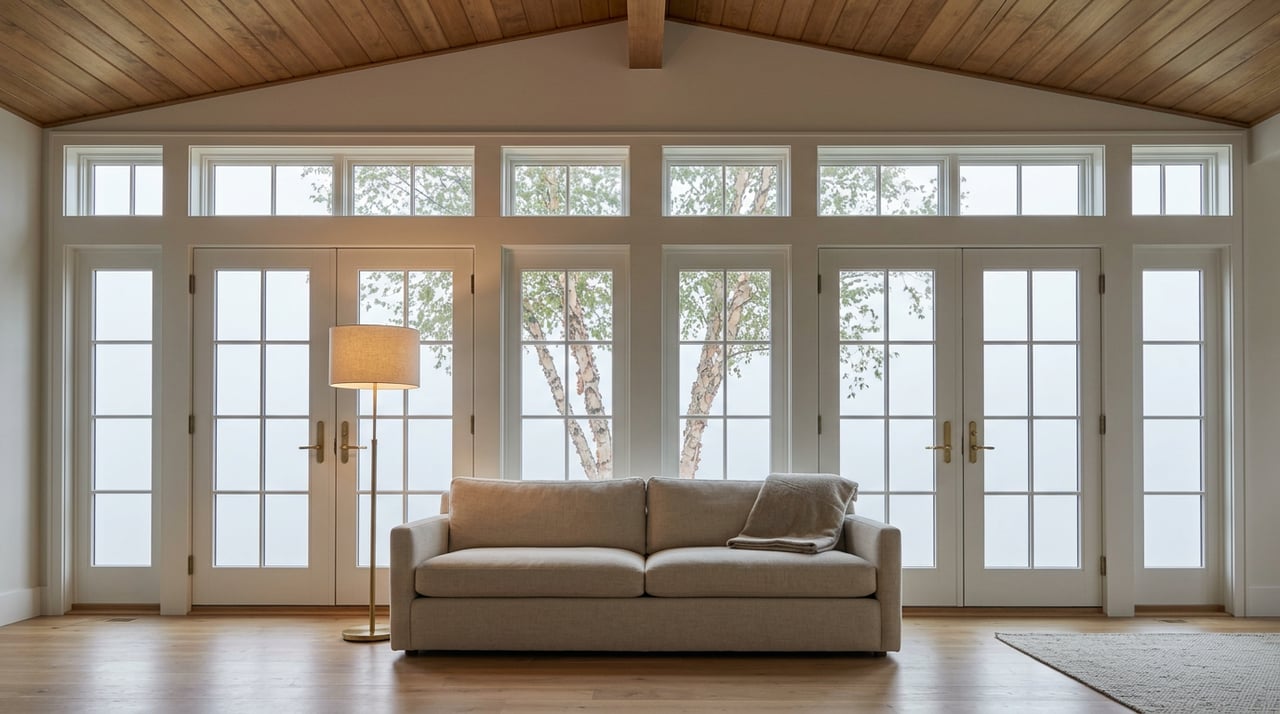
- How it lives: Original layouts favor formal living and dining rooms with separate utility corridors. Many have additions that open the kitchen, add family rooms and create a better everyday flow while keeping formal rooms for entertaining.
- Buyer fit: You value classic curb appeal, gardens and space to host. You are comfortable budgeting for masonry, slate roof and mechanical upkeep or you plan a thorough renovation.
Tudor Revival and English-cottage influences
- What to look for: Steep intersecting gables, half-timbering with stucco infill, tall chimneys, and leaded or multi-pane casement windows. Interiors often show plaster walls, beams and a prominent hearth. For a quick visual primer, see this Tudor style explainer.
- How it lives: Rooms feel cozy and compartmentalized. Many owners selectively open or expand kitchens and add family rooms while protecting signature details like beams and fireplaces.
- Buyer fit: You love storybook character and fine millwork. You are open to targeted updates for kitchen and bath convenience.
French country, Normandy and eclectic revival
- What to look for: Round towers or conical roofs, steep slate roofs, stone and stucco mixes and formal landscape elements. These homes appear across Villanova’s upper-tier listings, often with dramatic rooflines and garden settings.
- How it lives: A blend of formal entertaining spaces and updated family zones. Many are well suited to large gatherings and indoor-outdoor living.
- Buyer fit: You want distinctive European-influenced architecture with room to host and a setting that showcases gardens or terraces.
Arts and Crafts, Craftsman, Shingle and early suburban cottages
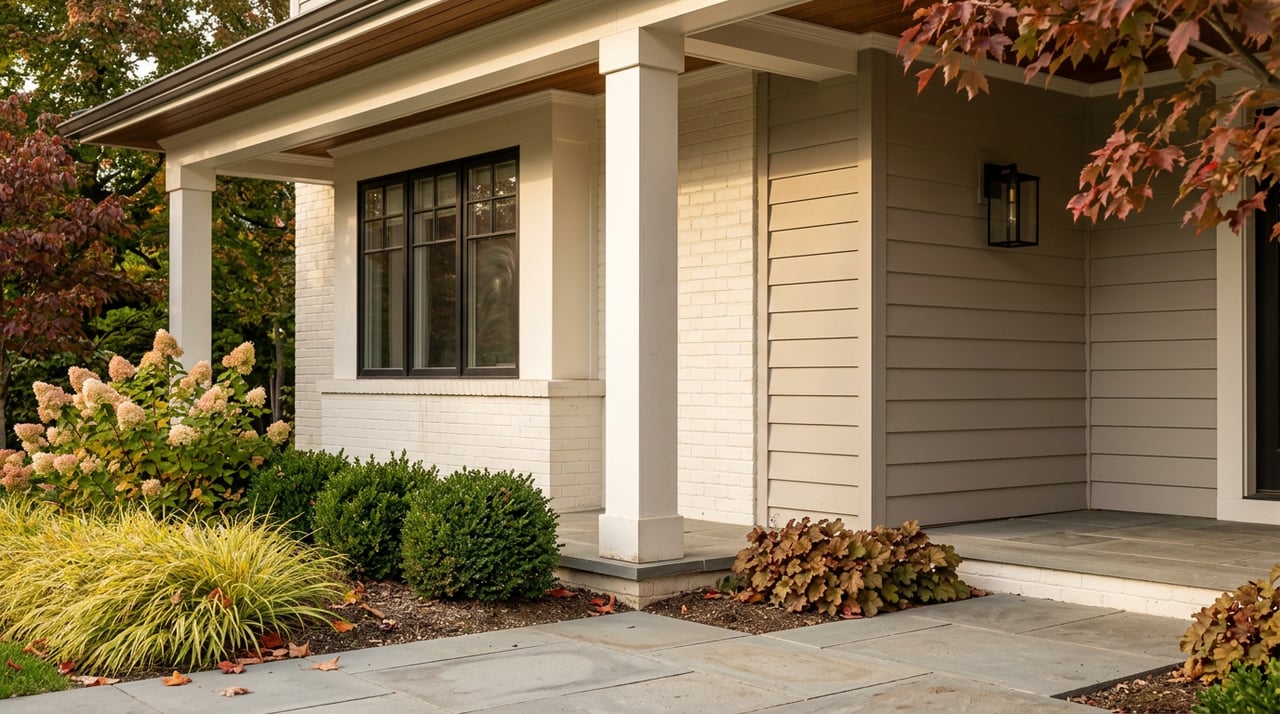
- What to look for: Welcoming porches, tapered columns, wide eaves with exposed rafter tails and natural materials. These often sit on smaller lots near village streets and rail. For feature cues, see this Craftsman and house-styles overview.
- How it lives: Manageable scale with charm. Many have already been adapted with open kitchens and modern systems, which makes move-in smoother.
- Buyer fit: You want character without estate-scale upkeep and prefer a more compact yard and easier maintenance.
Mid-century, ranches and newer custom builds
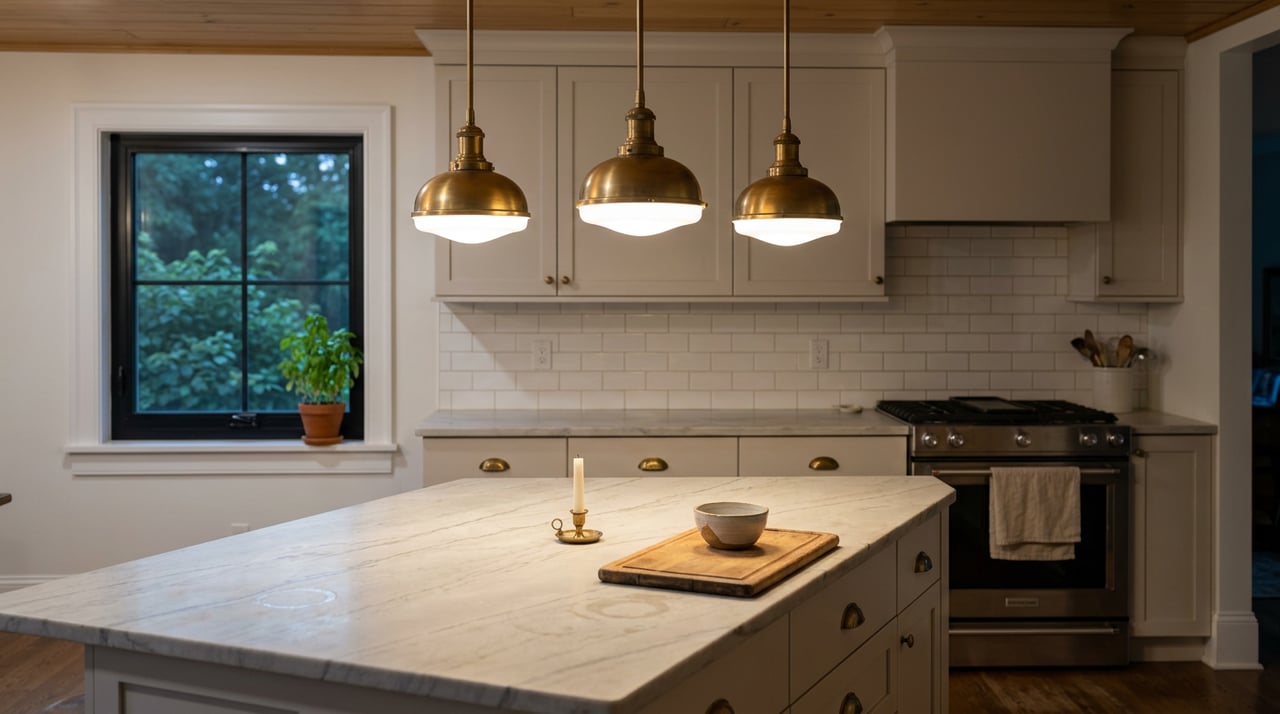
- What to look for: Postwar ranches and mid-century plans exist, but many have been renovated or replaced by large custom new builds. New construction often highlights open plans, oversized kitchens, mudrooms, home offices and current mechanicals.
- How it lives: Turnkey comfort with efficient flow, high-performance systems and fewer immediate maintenance items.
- Buyer fit: You prioritize a modern layout, energy efficiency and a shorter to-do list after closing.
Renovated properties, adaptive reuse and near-campus housing
- What to look for: Smaller detached houses, repurposed carriage houses and rental-friendly properties close to Villanova University and Lancaster Avenue. Inventory here can include adaptive reuse that adds variety to housing types.
- How it lives: Access to campus amenities and retail, with more walkable errands if you are near the station or Lancaster Avenue.
- Buyer fit: You care about proximity to transit, campus culture or potential rental income. Always check township zoning and rental policies before you purchase.
Renovation and maintenance signals to plan for
Older stone and slate homes reward care. Plan for the following during your inspection and budgeting.
- Masonry and roofing: Stone façades often need periodic repointing with compatible mortar, and slate or tile roofs have specific maintenance cycles. See preservation-friendly guidance in this historic masonry and energy guide collection.
- Envelope and energy upgrades: Air sealing and insulation in older stone houses are possible with the right methods, which protect historic fabric while improving comfort. The same preservation resources above outline safe retrofit approaches.
- Mechanicals and safety: Expect potential upgrades to older heating systems, electrical wiring and plumbing in pre-mid-century houses. Build time into your purchase plan for bids from contractors with Main Line experience.
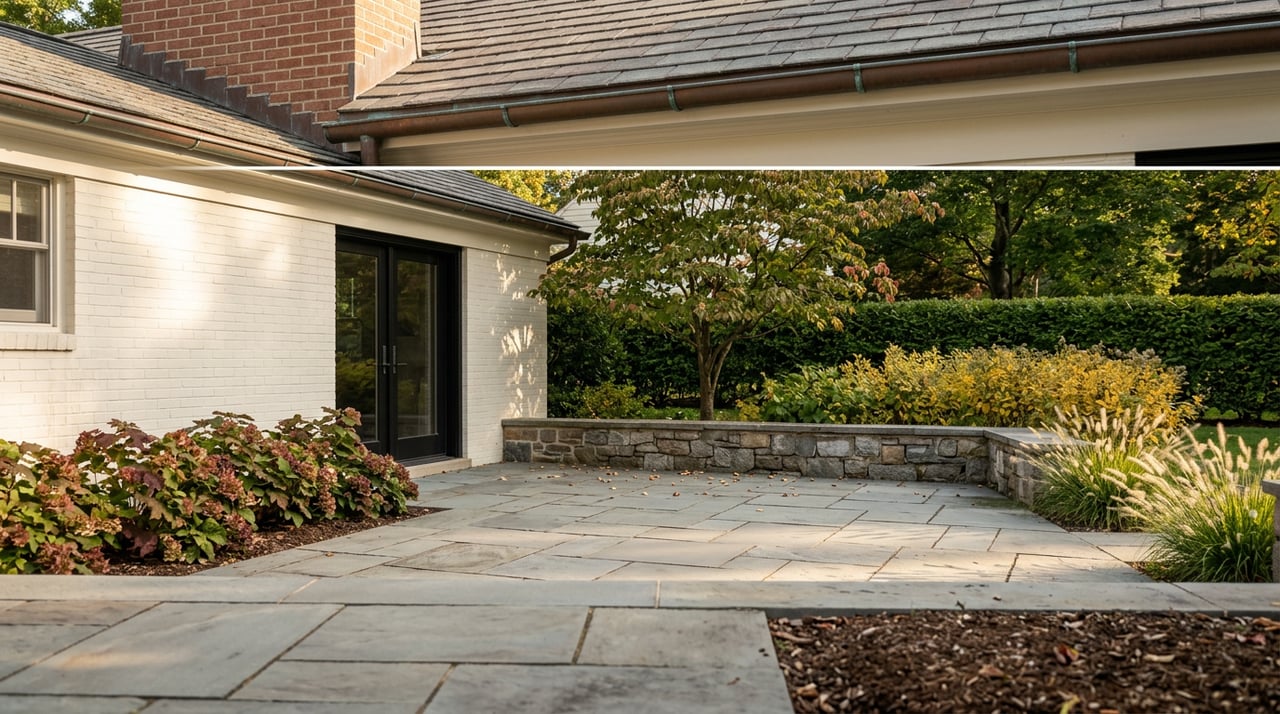
- Site and drainage: Historic foundations and site grades sometimes lack modern perimeter drains. Correct grading and drainage to keep basements and lower levels dry.
Approvals, demolition context and township differences
Villanova spans two townships, and their historic review processes differ. On the Lower Merion side, a Historic Resource Inventory and review process can apply to major changes or demolitions. Start by checking the property’s status and the scope of review through the Lower Merion Historical Commission page. On the Radnor side, protections are more limited outside designated historic districts, which can influence timing and options for additions or teardowns.
Practical tip: If you are planning significant alterations, verify township and historic status early, then gather contractor and preservation consultant input before you finalize your budget or schedule.
Where styles cluster in Villanova
- Ardrossan and the large-estate corridor: Around Newtown Road and Church Road, you will encounter legacy estate parcels, grand Georgian and Colonial Revival homes and sensitive infill development. For background, explore the Radnor Historical Society’s Ardrossan overview.
- Near Villanova University and Lancaster Avenue: Smaller vintage homes, repurposed carriage houses and some rental-oriented properties appear close to the station and campus businesses. For bearings and campus access, use Villanova University’s maps and directions.
- Wooded lanes and cul-de-sacs set back from arterials: Many signature stone Colonials, Tudors and French-country homes sit on larger, landscaped lots with mature trees. Market coverage of high-end listings in Main Line Today often highlights this mix of stone façades and expansive indoor-outdoor spaces.
How these homes live day to day
- Stone estates and larger Revivals: Expect formal rooms for entertaining, terraces and gardens. Daily life often shifts to a renovated rear kitchen and family room, which becomes the home’s hub.
- Tudor and cottage homes: Character leads the experience, with intimate room sequences, beams and fireplaces. Many owners trade a bit of compartmentalization for a larger kitchen or family zone.
- Craftsman and early suburban houses: Easier yards and scale, with many already modernized. These can be ideal if you want charm with less maintenance.
- Renovated or new construction: Open layouts, modern systems and lower immediate upkeep. You get contemporary comfort from day one.
Add in lifestyle amenities: public gardens and preserved landscapes are part of everyday life here. Stoneleigh is a standout resource a short drive from many Villanova streets, and offers events, trails and garden programming. Get a feel for it at Stoneleigh: A Natural Garden.
How to choose your best fit
Start with three tradeoffs and let them guide your search and budget.
- Scale and setting vs. upkeep: Larger lots and historic materials offer presence and privacy, but they carry higher maintenance. Smaller cottages reduce grounds and systems work.
- Character vs. turnkey: Original millwork, stone and slate feel special. If you want those features and convenience, target homes already renovated, or plan a design-build path to get there.
- Township rules and taxes: Lower Merion and Radnor have different historic review processes and municipal contexts. Confirm your property’s township and any historic status early, then align your timeline accordingly.
A simple plan to move forward:
- Walk or drive sample streets. Use rooflines and façades as quick tells. Stone plus slate often signals Colonial or French-country influences, while half-timbering points to Tudor.
- Get smart on systems. During showings, note roof material, masonry condition and the age of mechanicals. Line up a preservation-minded inspector if you are eyeing prewar stone.
- Price the path to your ideal. If a house has the bones you want, gather contractor bids for kitchen, bath, mechanical and envelope work before you commit. That turns “potential” into a real number.
If you want hands-on help evaluating renovation scope and return, our team pairs brokerage guidance with in-house construction and design through Poplar Construction + Design. We translate inspection findings into clear budgets and timelines, and coordinate improvements so you can move in or go to market with confidence.
Ready to tour Villanova homes or map a renovation-friendly path to your style goals? Reach out to Collin Whelan to start a plan that fits your lifestyle, budget and timeline.
FAQs
Are older Villanova stone homes hard to heat?
- Older stone houses can be thermally inefficient as built, but preservation-sensitive retrofits like air sealing, insulation strategies and mechanical upgrades can improve comfort; see this collection of historic retrofit guides.
Do historic rules apply to every Villanova property?
- No; Villanova spans two townships with different processes, and Lower Merion’s Historic Resource Inventory can trigger reviews for major changes while Radnor’s protections are more limited; confirm status via the Lower Merion Historical Commission and your township early.
Are stone estates the only luxury option on the Main Line?
- No; the high end includes renovated historic homes, large custom new builds and architect-designed modern houses, though stone and revival styles remain closely associated with Main Line prestige in market coverage like Main Line Today.
How do I identify Villanova home styles during a drive-by?
- Use quick cues: stone façade and symmetrical entry suggest Colonial or Georgian; steep gables with half-timbering signal Tudor; porches with tapered columns point to Craftsman; round tower elements hint at French country; for visual examples, see this Tudor explainer and house-styles overview.
What should I budget first when buying a prewar stone home?
- Prioritize roof life, masonry repointing, drainage, and mechanical updates; plan inspections and get bids from preservation-minded contractors using historic masonry and energy guidance to shape your scope and timeline.