Selling a Home in Ardmore: A Plan for Pricing, Prep, and Presentation
If you are selling a home in Ardmore, it can be tempting to assume the market will do all the heavy lifting for you. After all, homes here move quickly, and many sell above list price. But strong demand does not fix weak pricing, delayed prep, or a rushed presentation. If you want to protect your timing and your bottom line, you need a plan that fits Ardmore’s market and local requirements. Let’s dive in.
Ardmore is a fast-moving seller market, but it is not a one-price-fits-all market. Over the three months ending in May 2026, Redfin reported a median sale price of $664,103, median days on market of 22, and a sale-to-list ratio of 105.4%. In that same period, 64.9% of homes sold above list price, but 16.5% had price drops.
That mix matters. It tells you buyers are active, but they are still selective. A strong market can reward the right listing, yet it can also expose a home that enters too high or without enough preparation.
Ardmore has a wide range of housing types and price points. Current and recent homes span from more modest homes around $315,000 to larger, higher-end sales above $2 million. Listings also range widely, from smaller homes around $455,000 to properties near $1.95 million.
Because of that spread, your comparable sales need to be very close to your actual home. The best comp set should match municipality, property type, size, bed and bath count, age, renovation level, parking, and outdoor usability as closely as possible. In a market with vintage homes, renovated homes, condos, townhomes, and single-family properties all in the mix, broad averages only take you so far.
In Ardmore, the first two weeks matter. With average days on market at 22 and some hot homes going pending in about five days, your launch window carries real weight. Buyers tend to react quickly when a home feels well-priced and fully ready.
That is why pricing should not be about testing the market. It should be about entering the market at a number that creates confidence, urgency, and strong early interest. The right price can support better showing activity, stronger competition, and a cleaner path to contract.
Before you list, it helps to organize your work into three simple categories: repairs, code compliance, and value-add improvements. This keeps you from spending money in the wrong places or creating delays with work that should have been reviewed first.
For most sellers, this approach also makes decision-making easier. Instead of asking, “What should we fix?” you can ask, “What must be repaired, what must meet township requirements, and what will actually improve presentation?”
Repairs cover items that affect condition, function, or buyer confidence. These can include leaks, damaged finishes, aging mechanical concerns, or visible deferred maintenance. Even in a hot market, unresolved issues can shape how buyers view value.
Pennsylvania also requires sellers of residential property to disclose known material defects using a property disclosure statement. That disclosure must be delivered before the buyer signs an agreement of sale. In practical terms, that means known issues should be addressed thoughtfully, documented clearly, and not treated as something you can simply sidestep.
Code compliance can directly affect your timeline. If your Ardmore property is on the Lower Merion Township side, you must obtain a Resale Certification before selling. Lower Merion says the process can take 30 to 60 days, and township staff reviews the property file for outstanding violations.
The township also notes several visible compliance items, including sidewalks and curbs in good repair, visible property address numbers, smoke detectors in each bedroom and on every level, and review of any unresolved issues tied to the property. The fee is $100 when the application is submitted 20 or more days before settlement and $150 when submitted 20 or fewer days before settlement.
If your property is on the Haverford Township side of the area, the Certificate of Use and Occupancy application must be filed at least 30 days before settlement. Haverford’s checklist includes visible house numbers, carbon monoxide detectors outside bedroom areas, smoke detectors on each level and in sleeping areas, and compliance items tied to sidewalks, curbs, sump pumps, and backwater valves.
The key takeaway is simple: township requirements should be handled early, not after photos are booked or showings begin. A great launch can still be delayed by missing compliance steps.
Value-add work is the category where sellers often overspend. These are updates meant to improve appeal rather than correct a defect or satisfy a township requirement. Think cosmetic improvements, light kitchen or bath updates, paint, flooring touch-ups, or landscaping.
In Ardmore, value-add projects should be selective. Because homes vary so much by condition and style, the best upgrades are usually the ones that help buyers understand the home more quickly and feel better about its care and usability.
If you plan to improve the home before listing, check township requirements before work starts. In Lower Merion, the online permit portal covers interior renovations, roofing, plumbing, electrical, HVAC, and exterior work such as fencing, driveways, patios, and sheds. The township also says zoning review is required for any outside work.
That means even fairly common presale projects may need review or approval. A rushed improvement can create more friction than value if it delays your launch or raises questions later.
Some Ardmore homes have age and architectural character that buyers love. That same character can also bring extra review if the property falls within a local historic district or appears on the Historic Resource Inventory.
Lower Merion states that in local historic districts, exterior alterations, new construction, demolition, and signage require review for a Certificate of Appropriateness. For properties on the Historic Resource Inventory outside local districts, exterior alterations, new construction, and demolition are reviewed by the Historical Commission. If you are planning visible exterior work, confirm the process early.
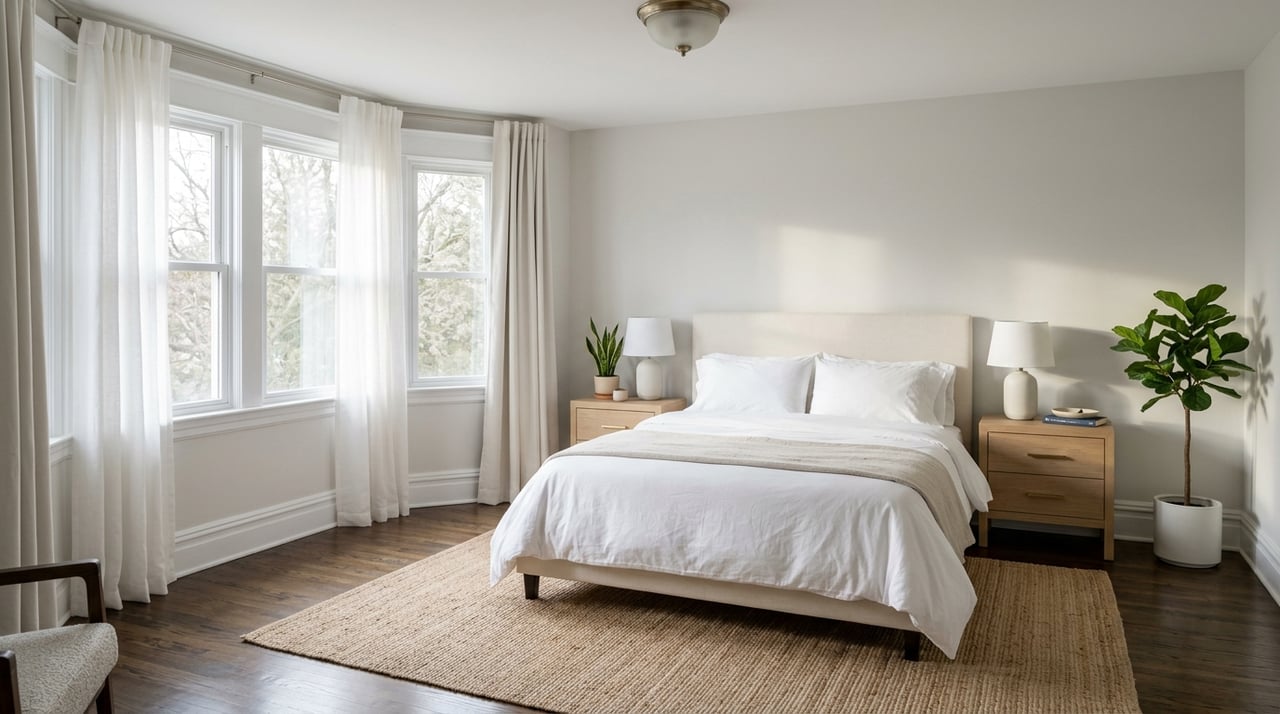
Once pricing and compliance are in place, presentation becomes the next major lever. In a market where buyers move quickly, first impressions matter even more. The goal is to help buyers understand the home’s value the moment they see it online and again when they walk through the door.
That is especially true in Ardmore, where housing stock includes many older homes with unique layouts and details. Great presentation helps buyers connect those features to modern daily living.
According to NAR’s 2025 Profile of Home Staging, 83% of buyers’ agents said staging made it easier for a buyer to visualize the property as a future home. The most commonly staged rooms were the living room, primary bedroom, and dining room.
That is useful guidance for Ardmore sellers. If your home has vintage spaces, formal rooms, or a layout that needs interpretation, staging can help buyers see function instead of hesitation.
If you are prioritizing a staging or prep budget, start with the spaces buyers experience most directly:
These areas shape the first impression and often carry the strongest emotional response. Clean lines, good light, and a clear sense of scale can make a meaningful difference.
Most buyers meet your home online before they ever step inside. NAR reports that 51% of buyers found the home they purchased on the internet, and 88% purchased through an agent or broker. That makes your digital presentation a core part of your sale strategy, not an afterthought.
For many Ardmore listings, that means professional photography, floor plans, and video should be ready before the home goes live. A well-built media package helps your home perform better in search, creates a stronger first impression, and supports the value story behind the list price.
For sellers who want a more coordinated, design-led launch, this is where a hands-on team can make a real difference. The right guidance can connect prep decisions, staging, construction oversight, and marketing into one timeline instead of a string of disconnected tasks.
A successful Ardmore listing often looks polished because the work was done in the right order. The smoothest launches are usually built backward from the target market date.
A practical sequence looks like this:
That kind of sequencing protects your momentum. In a market where the average listing moves in 22 days, and some homes go pending much faster, you want your first week to work for you.
List price is only part of the financial picture. Seller net proceeds can also be affected by transfer taxes, and in this area, the exact treatment should be confirmed early.
Pennsylvania imposes a 1% state realty transfer tax. Montgomery County states its realty transfer tax is 2%, while Delaware County states transfer tax is 1% to the state and 1% to the local municipality, with certain municipal exceptions. Because Ardmore spans different municipal and county contexts, the title company should confirm the parcel’s exact transfer-tax treatment early in the listing process.
Selling well in Ardmore is not just about doing more. It is about doing the right things in the right order. Pricing discipline, township compliance, and strong presentation are the three biggest levers you can control.
When those pieces come together, you give your home the best chance to launch cleanly, attract serious buyers early, and convert interest into a strong result. If you are planning a move and want a clear strategy for pricing, presale prep, and presentation, Collin Whelan can help you build a smart, local plan from day one.

Contact us today to schedule a consultation and experience the personalized service and expertise that make The Collin + Colleen Whelan Team.
216 E Lancaster Ave Wayne PA 19087