Update Or Sell As-Is In Bryn Mawr? A Seller’s Guide
If you are getting ready to sell in Bryn Mawr, one question tends to come up fast: should you put money into updates, or list the home as-is and let the market do the work? In 19010, that is a real decision, not a one-size-fits-all rule. The good news is that local market data gives you a practical way to weigh cost, timing, and likely return. Let’s dive in.
Bryn Mawr’s 19010 market has been active enough that some homes can sell with limited prep. Realtor.com described 19010 as a seller’s market in May 2026, with homes selling in a median of 18 days and a sale-to-list ratio of 100%. Zillow also showed an average home value of $926,787, up 5.0% year over year, with homes going pending in about 5 days.
That kind of pace can make selling as-is feel tempting. But a fast market does not mean condition stops mattering. In a place like Bryn Mawr, where buyers often compare homes closely and move-in readiness carries weight, presentation still plays a major role in how quickly your home sells and how strong your final offer looks.
Selling as-is does not mean you can skip disclosure requirements. In Pennsylvania, sellers must disclose known material defects, and the property disclosure statement must be provided before the agreement of sale is signed. So even if you choose not to make repairs, you still need to be clear about the home’s known condition.
For many sellers, as-is works best when the home is clean, functional, and structurally sound, but simply dated. If your house needs cosmetic help more than major correction, buyers may still respond well, especially in an active market. If the home has larger system issues or obvious deferred maintenance, as-is pricing usually needs to reflect that.
The biggest mistake sellers make is assuming they need a full renovation to compete. In most cases, that is not the best play in 19010. The local data points to a simpler strategy: improve the things buyers notice right away, avoid expensive overhauls, and keep your timeline under control.
That approach lines up with buyer behavior too. According to NAR’s 2025 Remodeling Impact Report, 46% of buyers are less willing to compromise on condition. The same report noted that real estate professionals most often recommend painting the entire home, painting one room, or addressing the roof before listing.
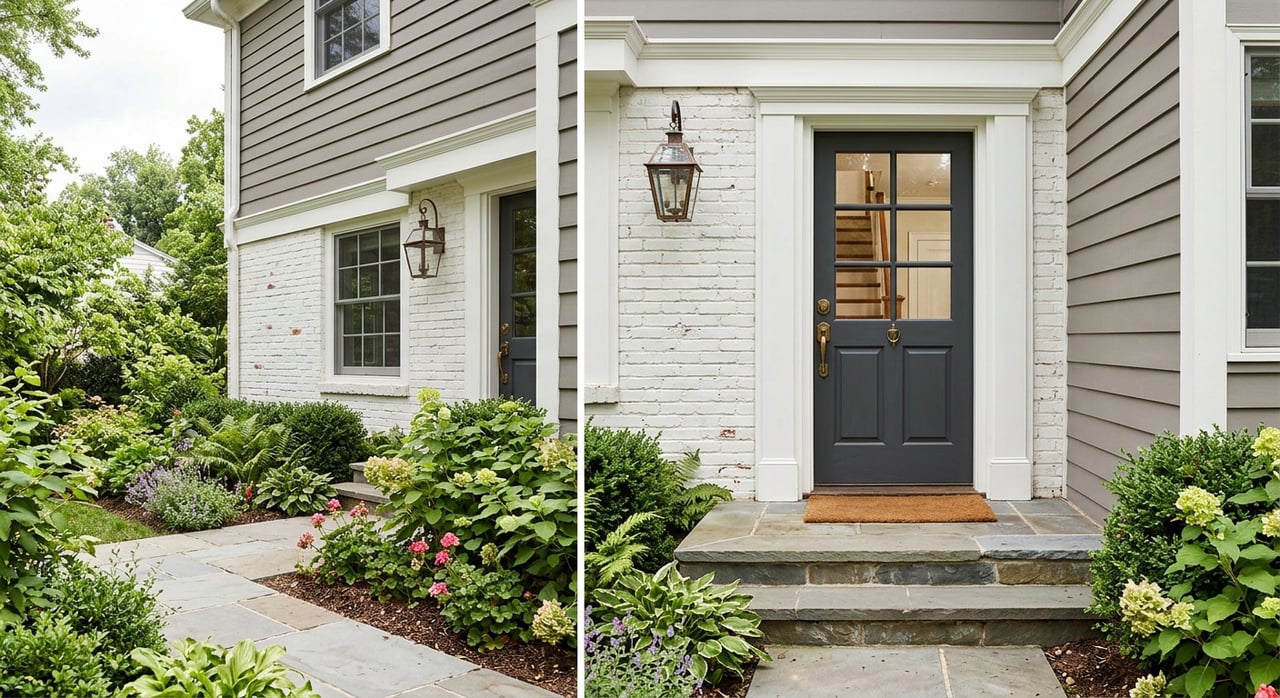
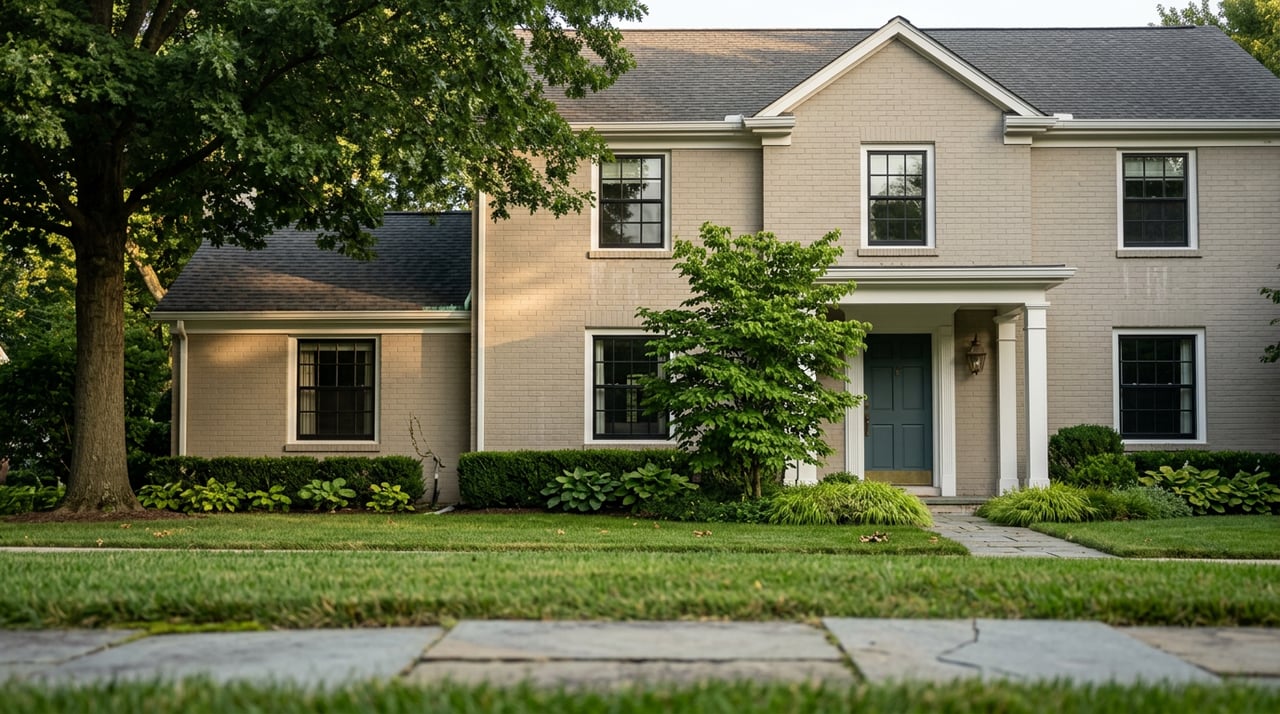
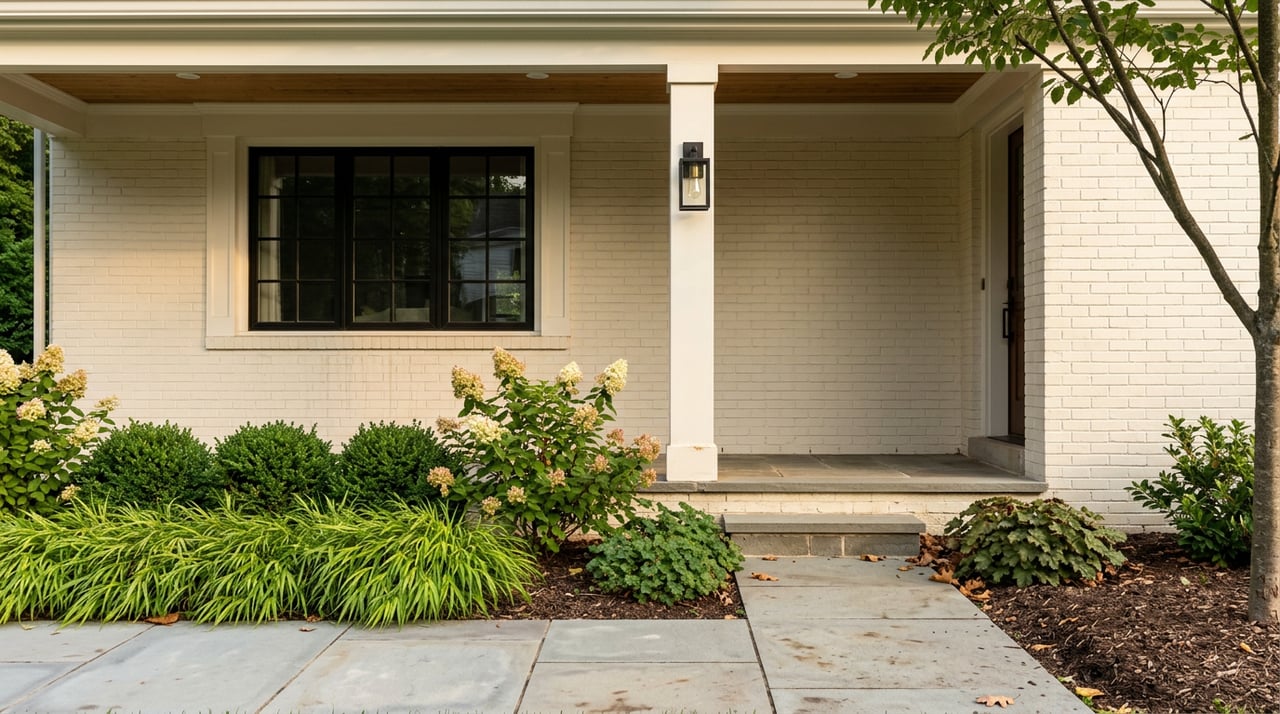
First impressions matter before a buyer even opens the front door. NAR’s 2025 outdoor-features report found that 97% of members said curb appeal is important to attracting a buyer, and 92% said they had suggested curb appeal improvements before a sale.
The Philadelphia 2025 Cost vs. Value data supports that focus. A garage-door replacement had an average cost of $4,596 with a recoup of 257.2%, and a steel entry-door replacement had an average cost of $2,390 with a recoup of 252.8%. If your exterior feels tired, these kinds of visible upgrades can make a strong impact without turning into a months-long project.
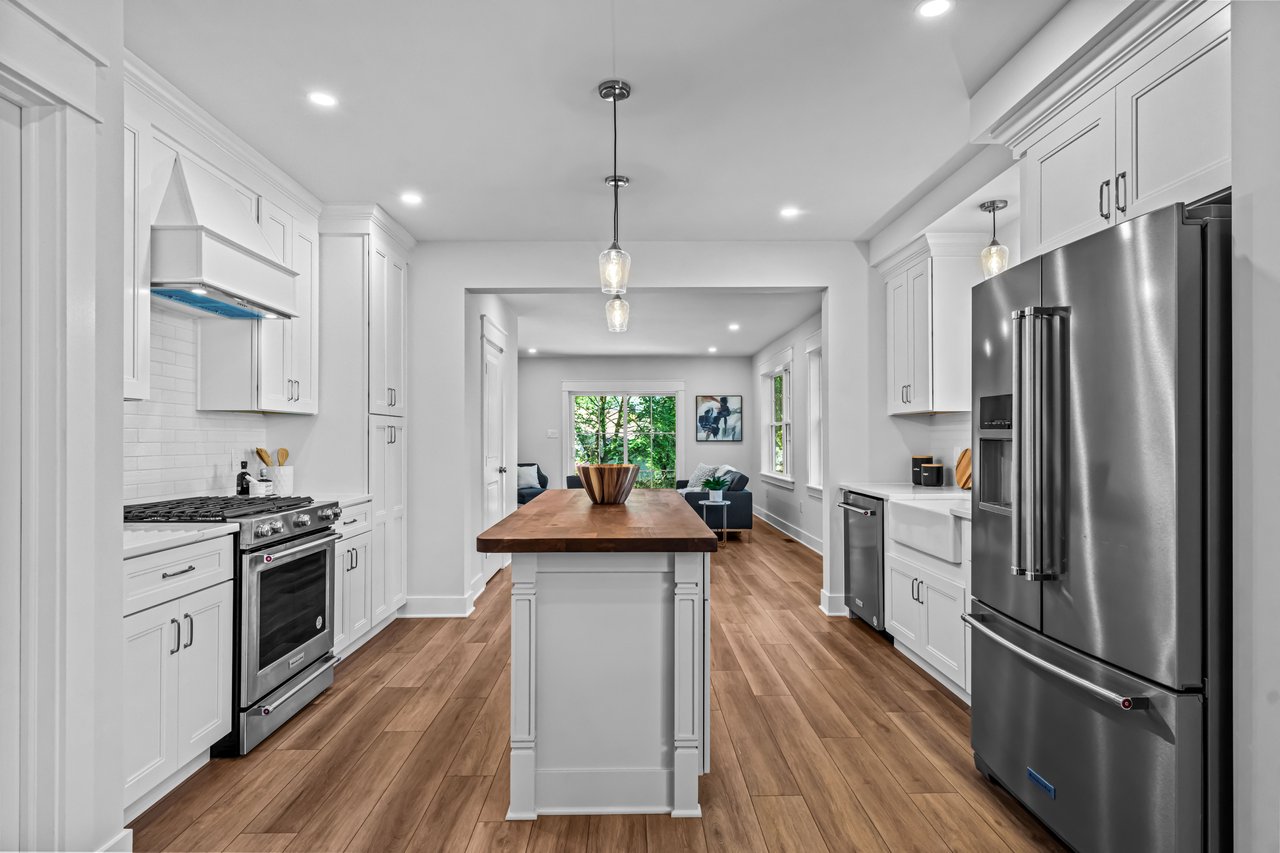
If your kitchen looks dated, a light refresh often makes more sense than a major remodel. In Philadelphia, a minor kitchen remodel costs $28,130 and recoups 113%. By comparison, a major midrange kitchen remodel costs $81,121 and recoups 46.1%, while a major upscale kitchen remodel costs $165,721 and recoups 35.7%.
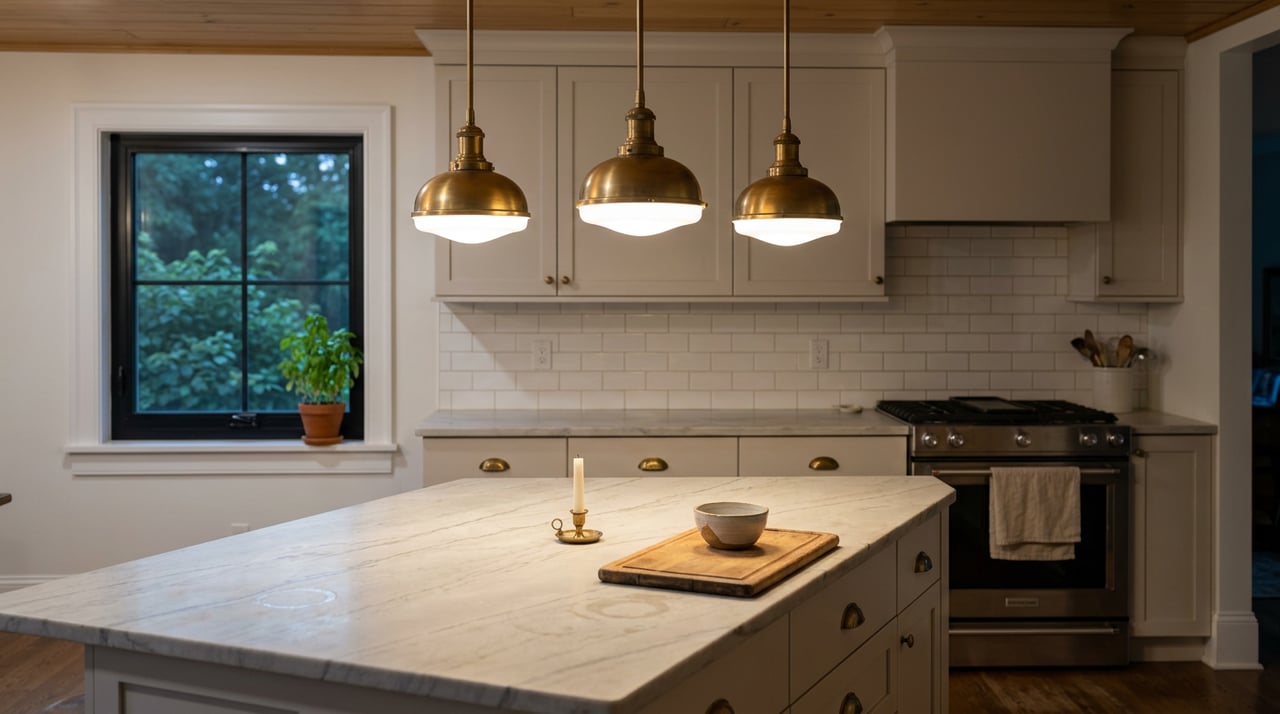
For sellers, that usually means keeping the layout and improving the surfaces. Updated counters, hardware, lighting, finishes, and appliances can help the kitchen feel current without the cost and delay of opening walls or reworking the footprint.
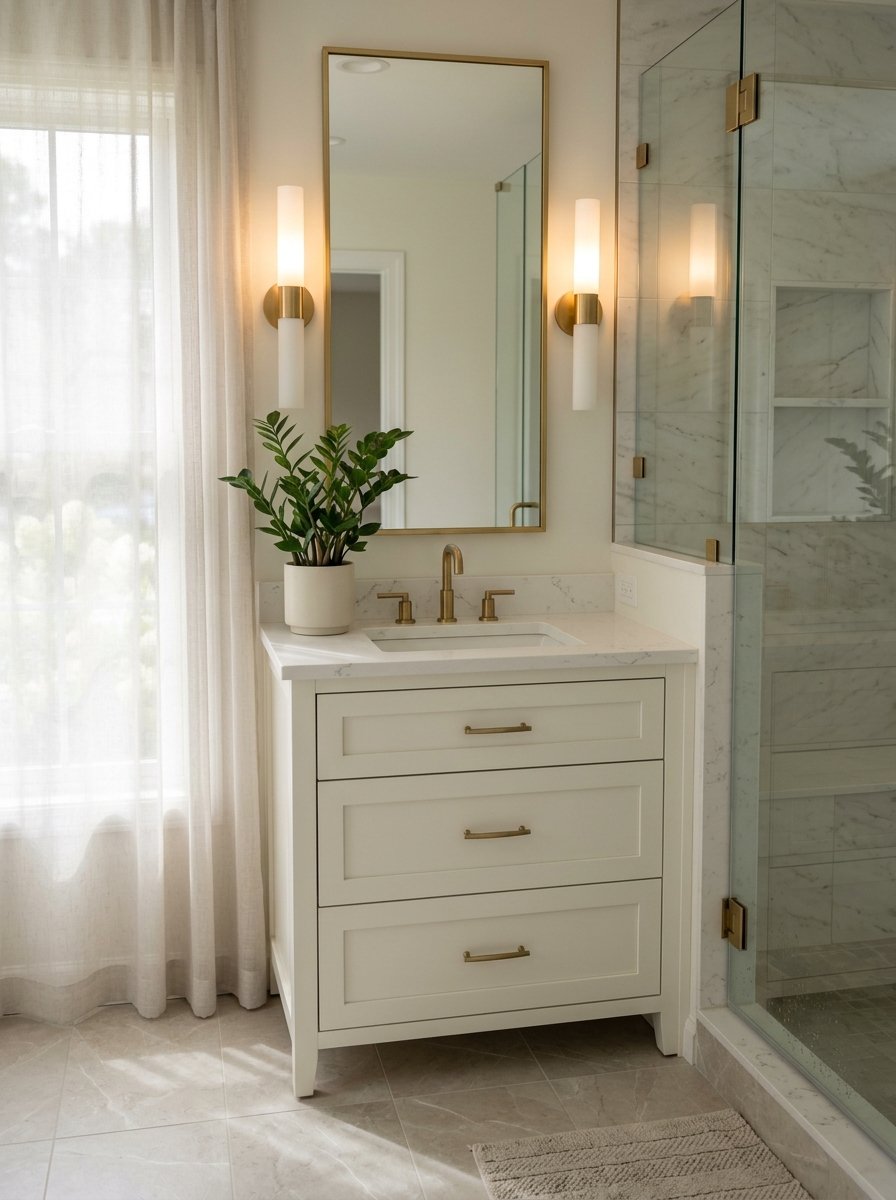
Bathrooms follow a similar pattern. A midrange bathroom remodel in Philadelphia costs $26,138 and recoups about 80%, while an upscale bathroom remodel costs $81,612 and recoups 41.7%.
That points to practical improvement, not luxury reinvention. Fresh finishes, cleaner lighting, updated fixtures, and a more polished overall look can help your home show better without spending into a lower-return category.
If the outside of your home looks worn, buyers often assume the inside may need work too. Philadelphia’s Cost vs. Value report shows fiber-cement siding replacement at $22,409 with a 109.2% recoup, while vinyl window replacement comes in at $22,073 with a 75.5% recoup.
This does not mean every seller should replace siding or windows. It means that if the facade is clearly hurting first impressions, exterior shell work may be worth considering. Window replacement can also be easier to schedule in some cases, since Lower Merion lists residential window replacement within the same opening as permit-exempt.
Smaller improvements often give sellers the best balance of return and speed. Interior painting typically costs about $2,022 on average, or roughly $2 to $6 per square foot, with a normal range of $965 to $3,089. Hardwood floor refinishing averages about $1,900 and generally ranges from $600 to $4,500.
These projects matter because they help your home feel cleaner, brighter, and more move-in ready. In a market where buyers may be comparing several homes in the same price range, that visual polish can make a meaningful difference.
There are times when selling as-is is the smarter move. If your home needs major systems work, a substantial layout change, or a very expensive renovation to match nearby listings, the resale math can weaken quickly.
Large additions are a good example. Philadelphia’s Cost vs. Value report shows a midrange primary-suite addition recouping 32.3%, an upscale primary-suite addition recouping 18%, and an upscale bathroom addition recouping 36.4%. If your goal is near-term resale, those numbers usually do not support a major pre-sale expansion.
Selling as-is can also make sense if speed matters more than squeezing out every last dollar. If you need a simpler timeline, want to avoid construction, or do not want to manage contractors before listing, pricing the home correctly and focusing on clean presentation may be the better route.
Before you commit to updates, it helps to understand how local approvals can affect your schedule. In Lower Merion, a building permit is required before constructing, altering, repairing, or demolishing a structure. The township also notes that kitchen, bath, and other minor renovation forms are available online.
At the same time, Lower Merion lists several items as exempt from permit requirements, including painting, paperhanging, carpet, vinyl or hardwood flooring, thin-set tile, and residential window replacement within the same opening. Code compliance still applies, and starting work without required permits can lead to fees and fines of up to $1,000 per day.
Parts of Bryn Mawr also connect to Radnor, where the process is permit-first for most work. Radnor states that construction permits are required for most projects, contractors must be licensed, inspections are required, and work done without permits can trigger administrative action. The township also requires permits for work that adds impervious coverage or changes a building footprint, including additions, driveways, decks, walkways, and sheds.
The takeaway is simple: cosmetic, permit-light work is usually the easiest pre-listing path. Projects involving structure, plumbing, electrical, grading, or footprint changes usually require a more careful budget and timeline.
If you are deciding whether to update or sell as-is, start with the condition categories that affect buyer confidence most. Ask whether your home has cosmetic issues, visible deferred maintenance, or larger functional concerns. Then compare the likely cost of fixing those items with the probable lift in price, speed, and buyer interest.
A useful framework looks like this:
In 19010, the strongest seller strategy is often not “do everything” or “do nothing.” It is doing the right few things well.
In today’s Bryn Mawr market, you may not need a full renovation to achieve a strong result. The local data suggests that targeted refreshes often outperform major overhauls, especially when they improve first impressions and move-in readiness. Paint, floors, curb appeal, and selective kitchen or bath updates usually make more sense than expensive additions or high-end remodels.
If you are unsure where your home falls, a local, property-specific plan matters. The right answer depends on your timeline, the home’s condition, the likely buyer pool, and how much prep will truly improve your outcome. If you want help building that plan, Collin Whelan can help you weigh the numbers, the timeline, and the smartest path to market.
Contact us today to schedule a consultation and experience the personalized service and expertise that make The Collin + Colleen Whelan Team.
216 E Lancaster Ave Wayne PA 19087