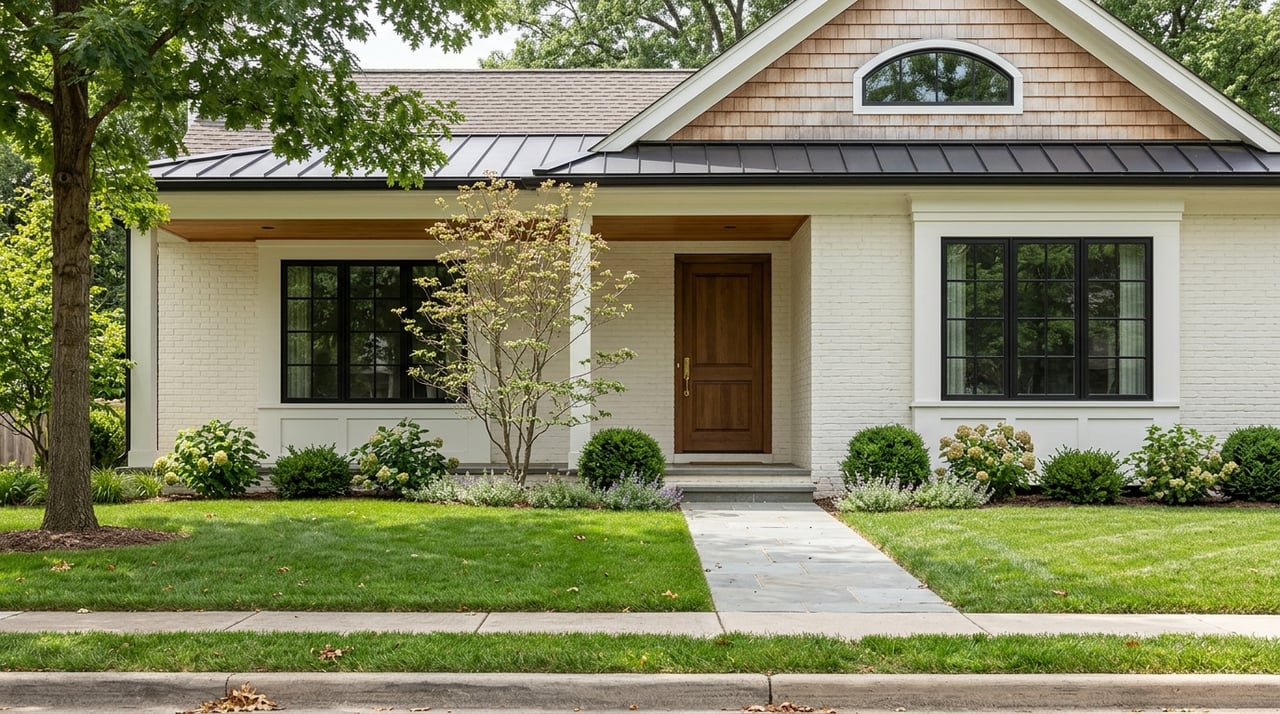
Berwyn vs Main Line Towns: Which Fit Is Right for You?
If you are trying to choose between Berwyn and nearby Main Line towns, the biggest question usually is not just price. It is how each place feels day to day, what kind of homes you are most likely to find, and how well that setting fits the way you want to live. This guide will help you compare Berwyn with Wayne, Paoli, and Devon so you can see where Berwyn stands and what type of buyer it tends to suit best. Let’s dive in.
Berwyn sits in an appealing middle position among nearby Main Line towns. Current market data places Berwyn’s median sale price at $825,574, which is higher than Wayne at $652,163 and Paoli at $542,220, but below Devon at about $1.35 million.
That price placement matters because it helps frame Berwyn as neither the entry point nor the top end of this comparison group. For many buyers, it lands in a sweet spot: a village-scale setting with Main Line character at a price level that is elevated, but not the highest among its neighbors.
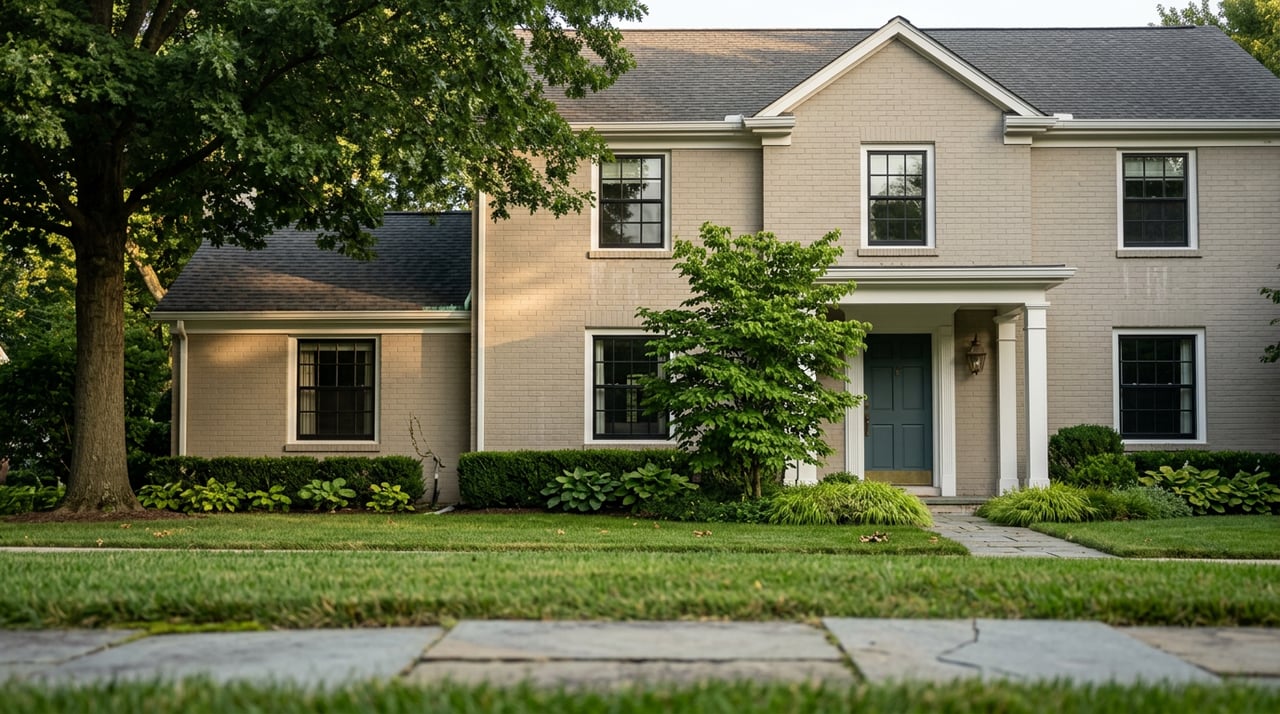
Berwyn’s housing stock is shaped by Easttown Township’s long-established residential pattern. According to the township’s comprehensive plan, about 75% of housing units are single-family detached homes, while attached housing makes up a much smaller share.
If you are drawn to older Main Line architecture, Berwyn stands out for that as well. Local planning documents note styles such as Queen Anne, Shingle Style, Colonial Revival, and Tudor Revival dating from the 1890s through the 1920s.
That gives Berwyn a distinct identity. You are more likely to experience it as a place with older residential character, a strong detached-home base, and a few denser pockets near the village core, including the Old Berwyn area where most of the township’s twin homes are located.
Wayne offers a different kind of Main Line experience. It is one of the clearest examples in this group of a true downtown setting, with SEPTA describing a walkable center just one block north of Wayne Station that includes more than a dozen restaurants and bars, plus boutiques and other businesses.
From a housing perspective, Wayne is also more mixed than many buyers first assume. Local historic resources and current housing patterns point to a blend of older village homes, mid-century properties, and larger luxury homes.
For buyers, the difference is often simple. If you want the strongest dine-and-shop downtown atmosphere, Wayne tends to lead the group. If you prefer a more compact village corridor with a quieter commercial feel, Berwyn may feel more aligned.
Paoli has deeper rail-centered identity than Berwyn. Tredyffrin Township describes Paoli as a community that grew around the railroad, with early development that included modest worker housing near the rail yard, dense areas of single and twin houses, and clusters of estate homes and farmhouses.
That history still shapes how Paoli reads today. Its commercial center is closely tied to the train station and Lancaster Avenue, and the area around Paoli Village Shoppes reflects that practical, station-oriented layout.
Paoli also has the broadest transit setup in this comparison. In addition to SEPTA Regional Rail and multiple bus connections, Paoli Station is served by Amtrak.
If transit flexibility is high on your list, Paoli deserves a close look. If you want a more village-like setting with older detached-home character and less of a rail-hub identity, Berwyn may be the better fit.
Devon tends to feel more corridor- and station-oriented than town-center oriented. Planning studies around Devon Station focus on sidewalks, bicycle access, circulation, and transit-oriented development patterns near the station and Lancaster Avenue.
Its housing stock also differs from Berwyn’s. Regional planning research says most homes in the Devon station area were built between 1950 and 1970, with more than 60% detached single-family homes and apartments as the next-largest category.
That means Devon often appeals to buyers who want detached homes and station access, but who are less focused on having a stronger downtown core. Compared with Berwyn, Devon generally reads as more mid-century in housing character and more transportation-focused in its day-to-day layout.
Berwyn’s appeal is closely tied to scale. Easttown Township describes Lancaster Avenue in Berwyn as a corridor intended to become a more vibrant walkable main street, with a possible town square at the intersection of Route 30, Old Lancaster Avenue, and Midland Avenue.
That vision helps explain Berwyn’s current feel. It is not best described as a large commercial destination, but rather as a compact village corridor with local gathering points.
Johnson Park, next to the Easttown Library, adds to that civic feel. For buyers, that can create a strong sense of everyday usability without the pace or density of a busier downtown district.
All four towns in this comparison sit on SEPTA’s Paoli/Thorndale Line, which gives buyers a common rail connection into Center City Philadelphia. Berwyn Station is located at 654 E. Lancaster Avenue, while Devon, Wayne, and Paoli each have their own stops on the same line.
Bus access varies by town. The current SEPTA station list shows Route 106 serving Berwyn, Devon, and Wayne, while Paoli adds 92, 106, 204, and 206.
For some buyers, those differences will be minor. For others, especially if you expect to rely on transit connections beyond rail alone, Paoli may offer the most flexibility.
Walkability around the station also matters. Devon’s planning studies specifically note inconsistent sidewalks, challenging intersections and driveways, and limited bicycle facilities, which is useful context if you want a more comfortable station-area experience right away.
Berwyn is often the best match if you want a balanced Main Line option. It combines a largely detached housing base, older architectural character, village-scale surroundings, and a price point that generally falls between some lower-priced and higher-priced nearby alternatives.
It can be especially appealing if you are looking for:
By contrast, Wayne may fit you best if your top priority is a stronger downtown routine. Paoli may be more appealing if transit breadth and rail-centered convenience matter most. Devon may suit you if you are focused on detached homes and station-area access more than downtown energy.
When buyers compare Berwyn with nearby Main Line towns, the smartest move is to focus on the rhythm of daily life, not just the headline price. Ask yourself where you want to land on a few key tradeoffs.
Consider these questions:
Those answers often point clearly toward one town over another. Berwyn tends to stand out when you want balance, character, and a quieter village atmosphere within the Main Line.
If you want help comparing homes, blocks, and property types across Berwyn, Wayne, Paoli, and Devon, Collin Whelan can help you evaluate the tradeoffs and find the right fit for your goals.

Contact us today to schedule a consultation and experience the personalized service and expertise that make The Collin + Colleen Whelan Team.
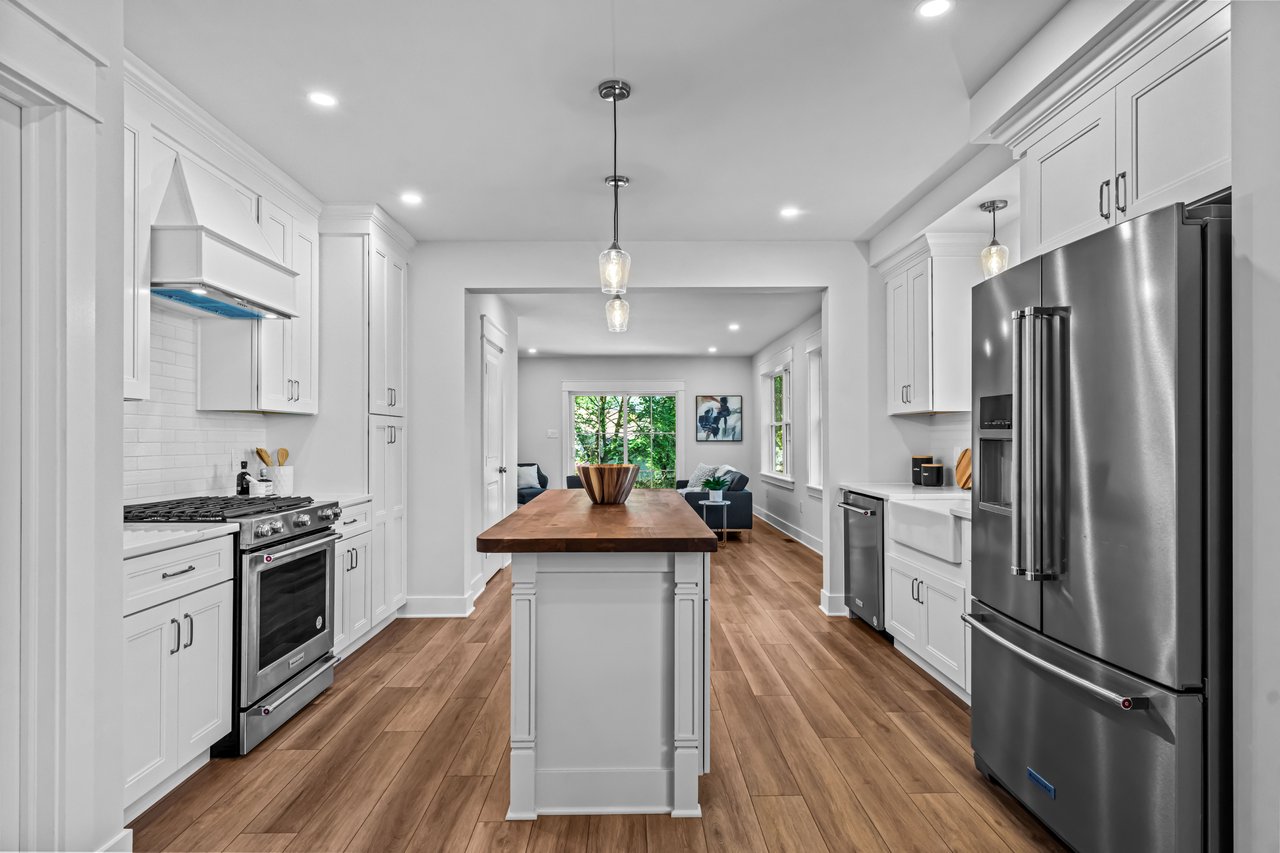
216 E Lancaster Ave Wayne PA 19087