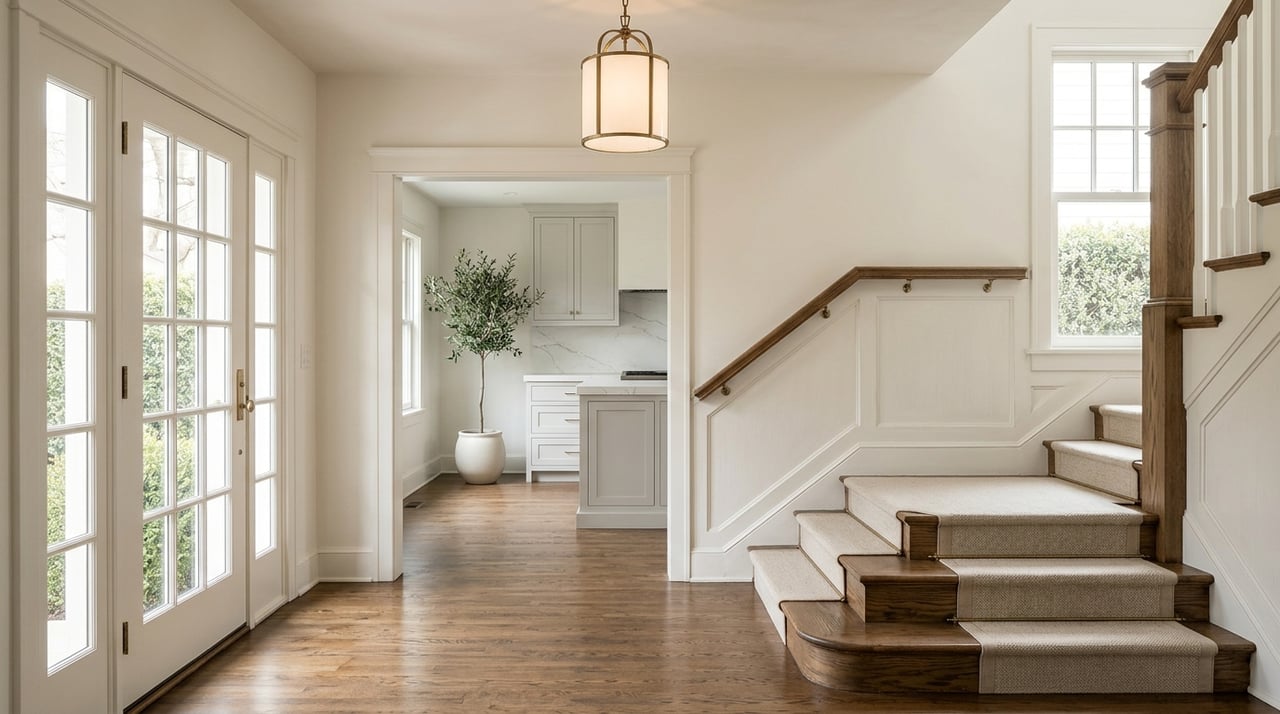
Classic Vs Updated Homes In Haverford: How To Decide
You do not have to choose between charm and convenience by gut feel alone. In Haverford, that decision usually comes down to how you want to live, how much work you want to take on, and how comfortable you are with the realities of an older housing market. If you are weighing a classic home against an updated one, this guide will help you compare layout, maintenance, renovation potential, and long-term fit in a way that makes the choice clearer. Let’s dive in.
Haverford Township is a mostly residential, fully developed community with housing stock rooted largely in the first half of the 20th century. The township’s planning and history materials also show an ongoing focus on preserving residential character and historic resources. That means the classic-versus-updated question here is not just aesthetic. It is a practical decision about upkeep, flexibility, and what kind of homeownership experience you want.
Haverford also tends to feel like a long-term ownership market. Census data shows 87.4% of housing units are owner-occupied, and 92.9% of residents lived in the same house one year earlier. If you are buying here, it often makes sense to think beyond move-in day and focus on how the home will serve you over time.
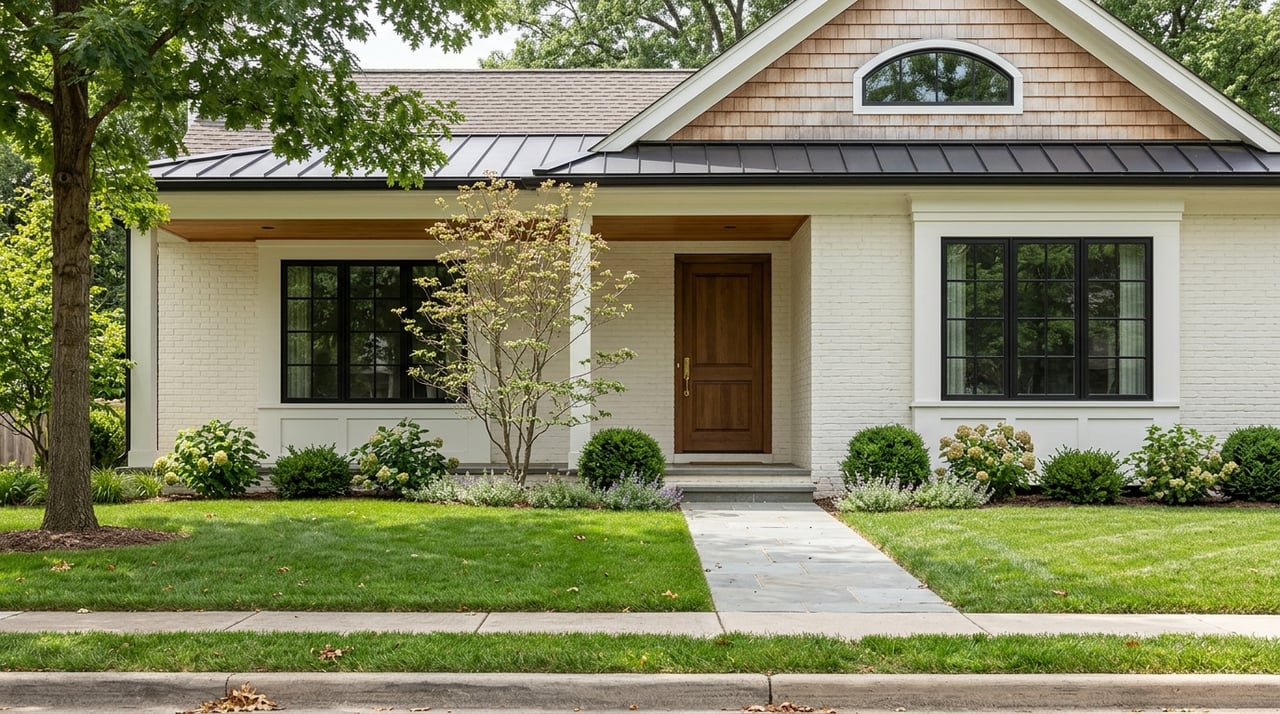
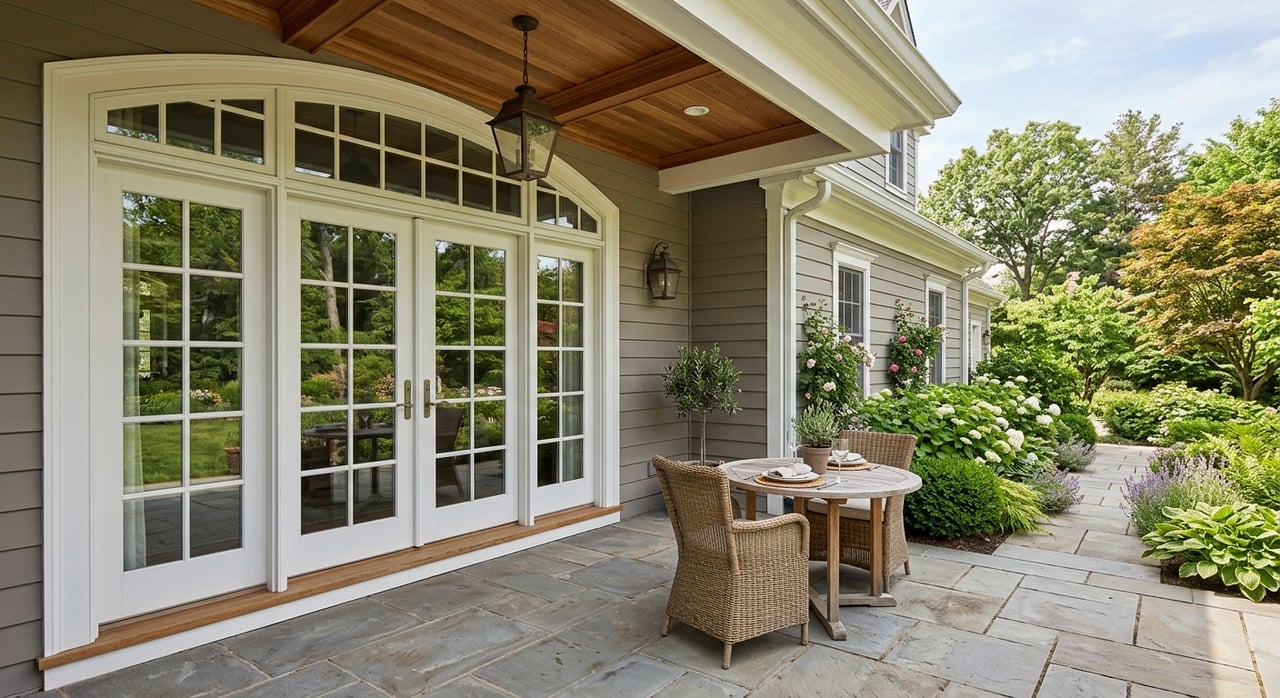
In Haverford, classic homes are usually older houses with original details and a more traditional layout. Many neighborhoods took shape between about 1900 and 1950 as rail and trolley access improved, so older homes often reflect that era of development. You may see defined rooms, established streetscapes, and architectural details that give the house a strong sense of identity.
That character often comes with tradeoffs. Older homes may keep a more segmented floor plan, with fewer large open spaces than many buyers expect today. If you like separate living and dining rooms, cozy proportions, and a more traditional flow, that may feel like a benefit rather than a drawback.
Classic homes also tend to come with more unknowns. Older systems, deferred maintenance, and past repairs can all affect your budget and timeline. The payoff is often a home with personality and the opportunity to improve it thoughtfully over time.
An updated home in Haverford is often an older house that has been renovated for modern living. In some cases, it may also mean a newer home built with current efficiency expectations, though true new construction can be limited in a fully developed township. Most often, buyers are comparing original older homes to renovated older homes.
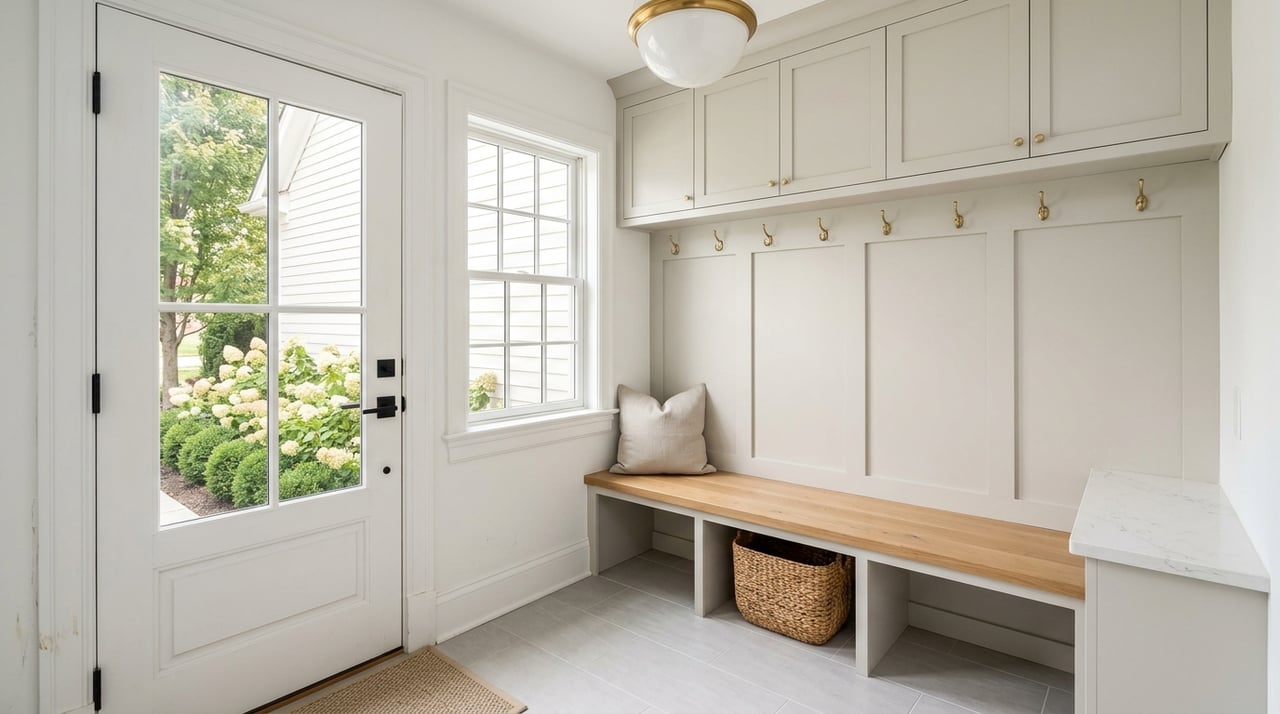
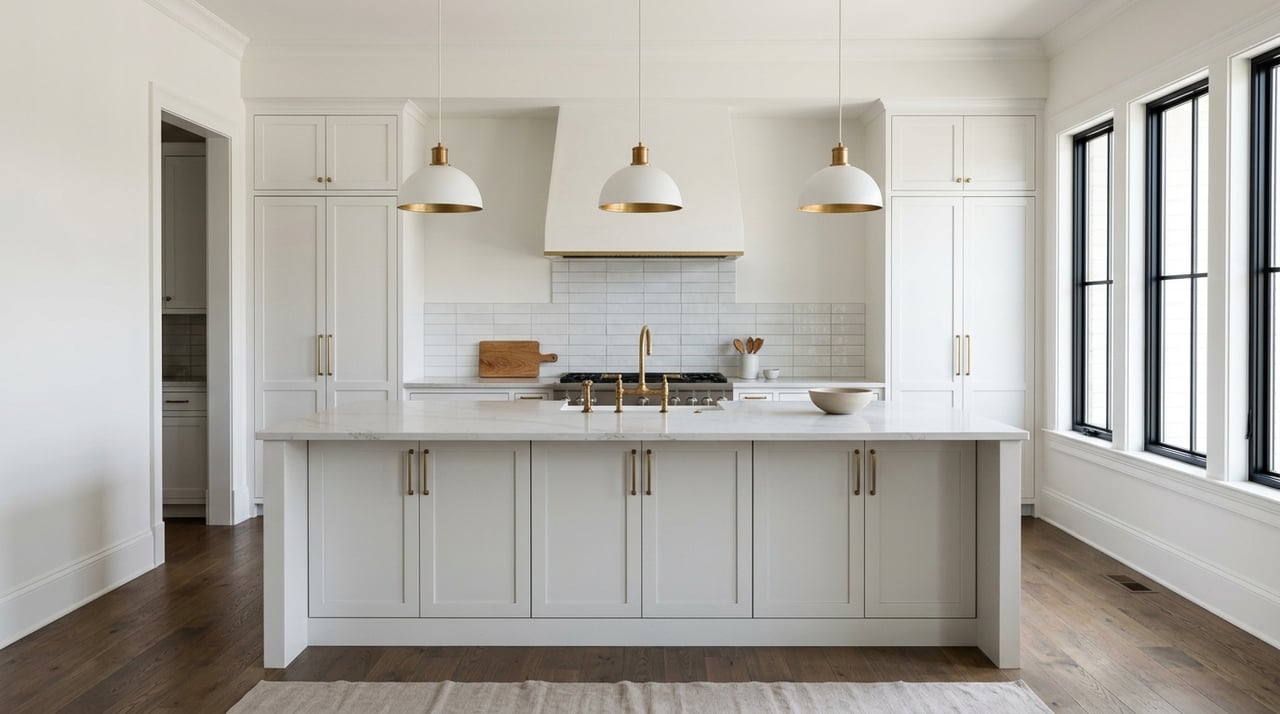
Updated homes usually offer easier day-one living. You may find newer kitchens and baths, improved heating and cooling, better insulation, and more efficient windows. Many updated homes also aim for a more open layout that supports the way people use space today.
Convenience is the main appeal. You may have fewer immediate repairs, fewer surprise projects, and a simpler move-in process. That said, an updated finish does not always mean every major system was fully addressed, so it is still important to look closely at the scope and quality of the work.
One of the biggest differences between classic and updated homes is how the space functions day to day. Some older homes were designed with only two or three main rooms per floor, and changing that layout can require removing walls or altering passages. That can be a big project, both structurally and financially.
If you want open sightlines, larger kitchen gathering space, and more flexible common areas, an updated home may align better with your lifestyle. If you prefer distinct rooms, quieter separation, and original floor plan character, a classic home may feel more comfortable. Neither is better across the board. It depends on how you actually live.
A good way to think about it is this: are you buying for the home as it exists now, or for the home you believe it could become later? Your answer often points you toward one category pretty quickly.
The asking price is only part of the story. Classic homes usually require a larger contingency for inspections, maintenance, and phased improvements. Older homes are also more likely to need attention to insulation, weatherization, roofing, or mechanical systems over time.
Updated homes are often easier to budget for in the near term because major items may already have been addressed. That can make your first few years of ownership more predictable. For many buyers, that peace of mind is worth paying for upfront.
Still, you should verify what was actually updated. A cosmetic renovation can look great while leaving older plumbing, electrical, or HVAC components in place. In Haverford, where much of the housing stock is older, that distinction matters.
If you are leaning toward a classic home because you want to improve it over time, you should factor in local permitting from the start. Haverford Township’s Building & Codes Department reviews and issues construction permits, enforces property maintenance rules, and requires contractors to be licensed with the township. Construction permits are required for most work, and additions may also require plot plans and impervious-surface calculations.
That does not mean renovations are impossible. It means renovations should be planned carefully. If your goal is to buy a house with upside, you want a clear picture of what work is feasible, what approvals may be needed, and how long that process may take.
This is where local guidance can make a real difference. In a market like Haverford, the question is not only Can you renovate? It is also How smoothly can you renovate, and what will the end result be worth to you?
Some Haverford properties may be on the township’s Historic Resource Survey or otherwise affect a historic resource. In those cases, the Historical Commission can review permit applications for alterations, additions, or construction. That review uses the Secretary of the Interior’s Standards for Rehabilitation to help preserve historic character.
For buyers, this matters most when you are thinking about visible exterior changes. Windows, exterior materials, additions, and similar updates may be subject to greater review. If you love the idea of owning a classic home, this is not necessarily a negative, but it is something you should understand early.
In practical terms, a classic home with renovation potential may still be the right fit, but your timeline, design choices, and contractor planning may need to be more deliberate. That kind of clarity upfront can save a lot of frustration later.
Haverford’s 2035 Comprehensive Plan says no increased residential density is proposed in residential areas and identifies historic preservation as a core goal. In a fully developed market, community character tends to remain an important part of value. That helps explain why the quality of a renovation can matter just as much as the age of the home itself.
Recent resale data also points to a competitive market. In February 2026, detached homes in Haverford Township had a median sold price of $574,900 and an average of 21 days on market. Attached and townhouse homes had a median sold price of $424,950 and averaged 13 days on market.
That does not mean every updated home is automatically the better buy. It does suggest that buyers value homes that align with their needs and feel move-in ready where it counts. At the same time, a classic home with a sensible price and clear improvement path can still be a smart choice for someone comfortable with the work.
If you are still torn, start with your tolerance for projects. A classic home is usually the stronger fit if you value architectural character, are comfortable planning improvements over time, and can carry a maintenance reserve. An updated home is usually the better fit if you want fewer immediate projects, steadier monthly expectations, and a simpler transition.
It also helps to think about your time horizon. If you plan to stay for years and enjoy shaping a home gradually, a classic property may give you more room to create value in a way that fits your style. If you need functionality and predictability right away, updated is often the safer path.
In Haverford specifically, there is a simple rule of thumb: if you want charm and can handle permits, inspections, and phased improvements, classic may be right for you. If you want convenience and fewer unknowns, updated is usually the easier decision.
Because Haverford is a stable, owner-occupied market, your best decision is usually the one that matches your real life, not a trend. A home with original character can be deeply rewarding when you go in with clear expectations. A well-updated home can also be worth every bit of its premium if it saves you time, stress, and surprise costs.
The key is knowing what you are buying beyond the listing photos. You want to understand layout, system age, renovation quality, permit implications, and what future changes may involve. That kind of evaluation is especially important in an older, established township where no two houses are exactly alike.
If you are comparing classic and updated homes in Haverford, having local guidance can make the decision much easier. Collin Whelan can help you look past surface-level appeal, weigh renovation potential against true cost, and choose the path that fits your goals with more confidence.
Contact us today to schedule a consultation and experience the personalized service and expertise that make The Collin + Colleen Whelan Team.
216 E Lancaster Ave Wayne PA 19087