Leave a Message

By providing your contact information to Collin Whelan, your personal information will be processed in accordance with Collin Whelan's Privacy Policy. By checking the box(es) below, you consent to receive communications regarding your real estate inquiries and related marketing and promotional updates in the manner selected by you. For SMS text messages, message frequency varies. Message and data rates may apply. You may opt out of receiving further communications from Collin Whelan at any time. To opt out of receiving SMS text messages, reply STOP to unsubscribe.

Thank you for your message. We will be in touch with you shortly.

Renovating A Devon Colonial For Modern Main Line Living

Love your Devon Colonial but wish it lived like 2026? You are not alone. Many Main Line owners want modern flow, storage, and comfort without losing the classic charm buyers love. In this guide, you will learn the smartest updates for a Devon Colonial, how they affect livability and resale, and what to expect with permits, timelines, and budgets. Let’s dive in.

Why Devon Colonials shine on the Main Line

Devon sits in the heart of the Main Line within Tredyffrin Township, a community known for commuter convenience and historic character. The area’s identity and buyer expectations reflect that blend of old and new. You will see traditional massing and center-hall plans paired with updated interiors and family-friendly spaces. Learn more about the local context in the Devon community overview.

Commute and convenience

Proximity to a Paoli/Thorndale Line station matters for many buyers who split time between home and Center City. The Devon Station Multimodal Access Study highlights how rail access and walkability shape local demand. If you are planning updates, think about how daily routines intersect with entries, storage, and the kitchen hub.

Schools and buyer expectations

Many Main Line buyers evaluate homes with the school district, condition, and layout in mind. The Tredyffrin-Easttown School District overview is a useful reference as you plan resale-driven improvements. Keep finishes neutral and functional so more buyers can see themselves in the home.

What makes a Devon Colonial unique

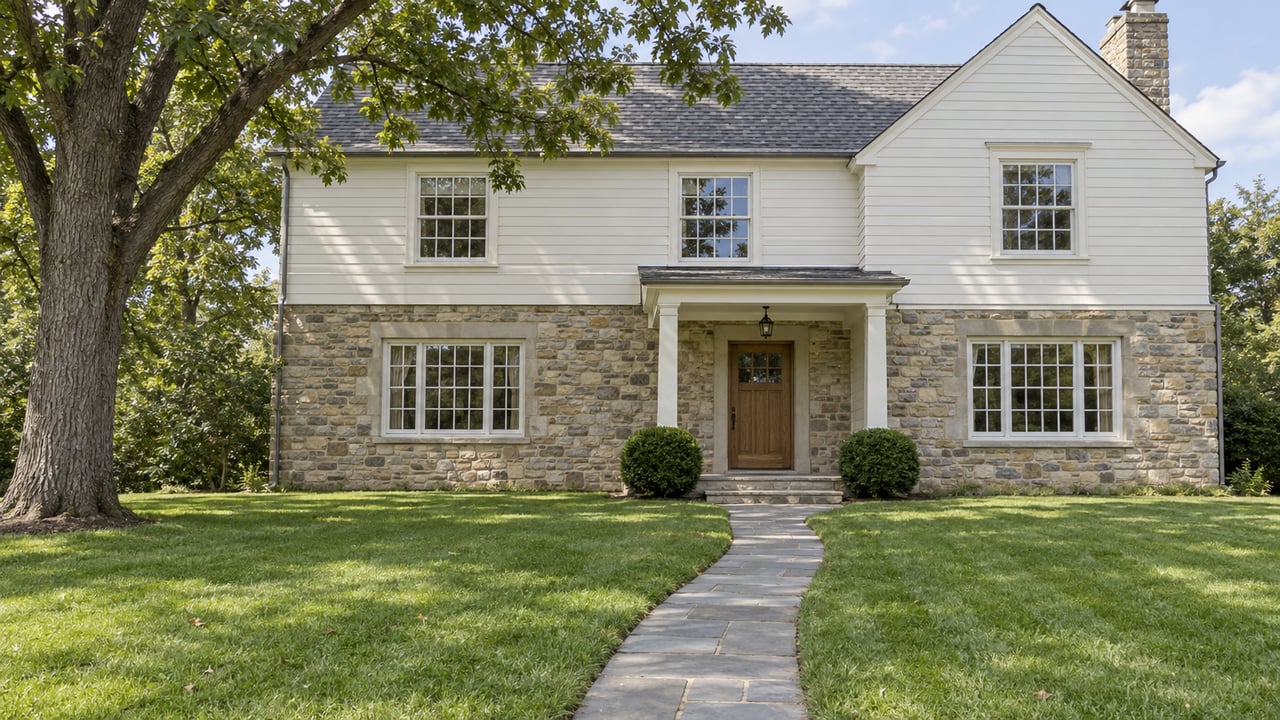
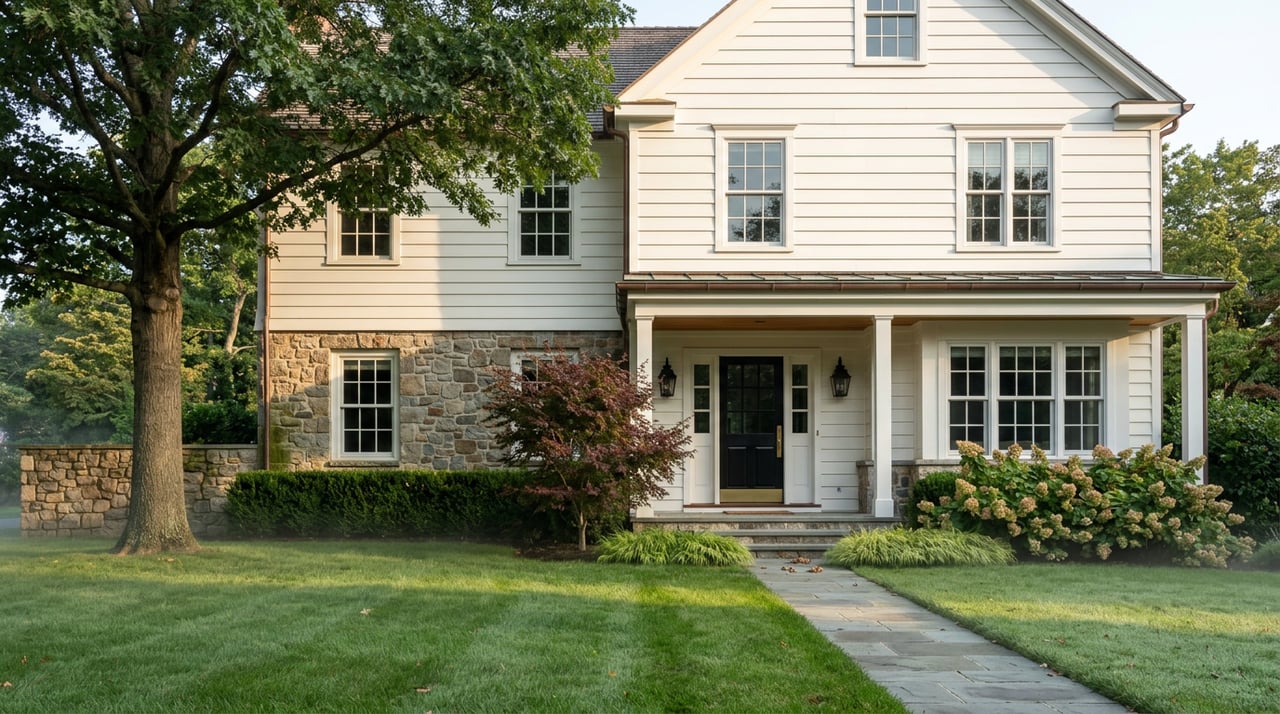
Devon and the broader Main Line feature many Colonial Revival homes with center-hall layouts, formal rooms, and modest original kitchens. Exterior details and proportion tend to be timeless. Interiors often need reworking for today’s open living, storage, and bath count. For a visual example of local style, see this Colonial Revival spotlight.

Common traits to plan around:

  • A closed or segmented kitchen that limits family-room connection.
  • Smaller baths and fewer total bathrooms on older footprints.
  • Minimal mudroom space near the most-used entry.
  • Basements and attics with potential but older systems.

Local design-build teams often preserve original character while modernizing plan flow. See how firms approach that balance in this Main Line portfolio.

Top renovation priorities that pay off

A thoughtful scope will make day-to-day life easier and support stronger resale. National remodeling data from the Cost vs Value report shows minor and midrange projects often deliver better recoup rates than large, high-end additions. Here is how to apply that locally.

1) Rework the kitchen for flow

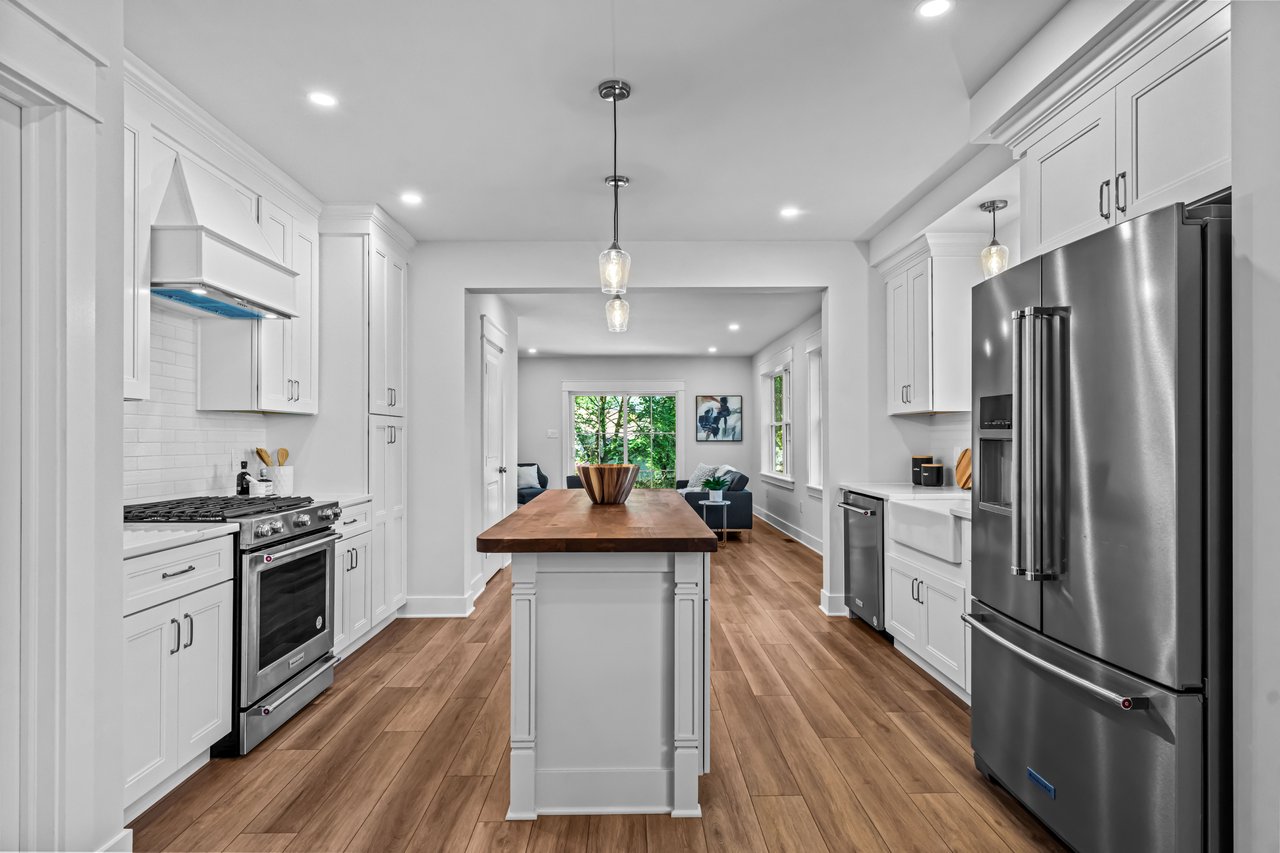
  • What to do: Refresh cabinets and counters, add efficient lighting, or complete a midrange reconfiguration with a new island and better circulation. If you open to a family room, plan for structural work and inspections.
  • Why it matters: The kitchen is the decision room for buyers. Midrange scopes usually balance cost and appeal more reliably than an ultra-luxury gut.
  • Timeline and budget: A typical midrange remodel often runs about 6 to 12 weeks once construction begins, with planning and permitting adding time. See practical timing guidance from Angi.

2) Add a real mudroom or entry zone

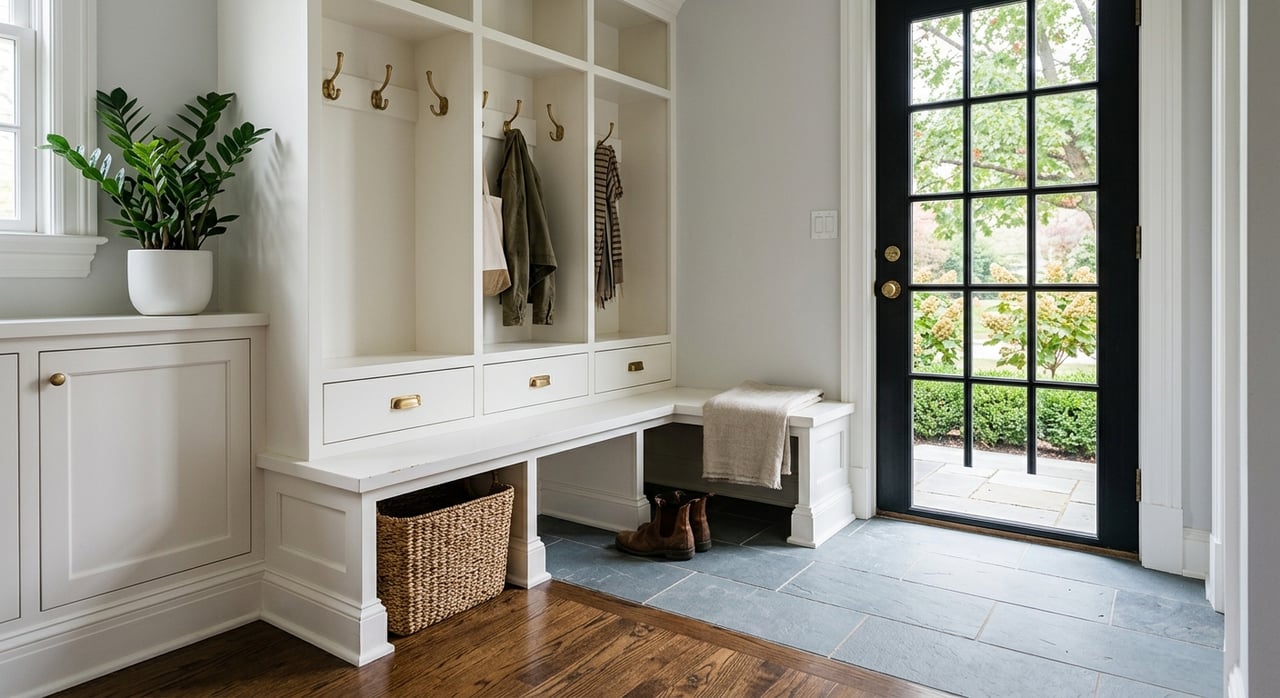
  • What to do: Create a defined drop zone at the garage or side entry with cubbies, a bench, durable flooring, and hooks. Consider relocating laundry for an efficient daily loop.
  • Why buyers care: Organized entries make an older home feel functionally new. Durable finishes and neutral colors help at resale.

3) Right-size the primary suite

  • Options: Combine or reconfigure rooms upstairs to create a proper bath and storage, convert an existing first-floor room, or add a modest bump-out if you plan to stay long term.
  • ROI note: Large additions can be costly and often recoup a smaller share at resale compared with targeted interior updates per Cost vs Value. If you may sell within a few years, consider a light-touch reconfiguration first.

4) Build practical outdoor living

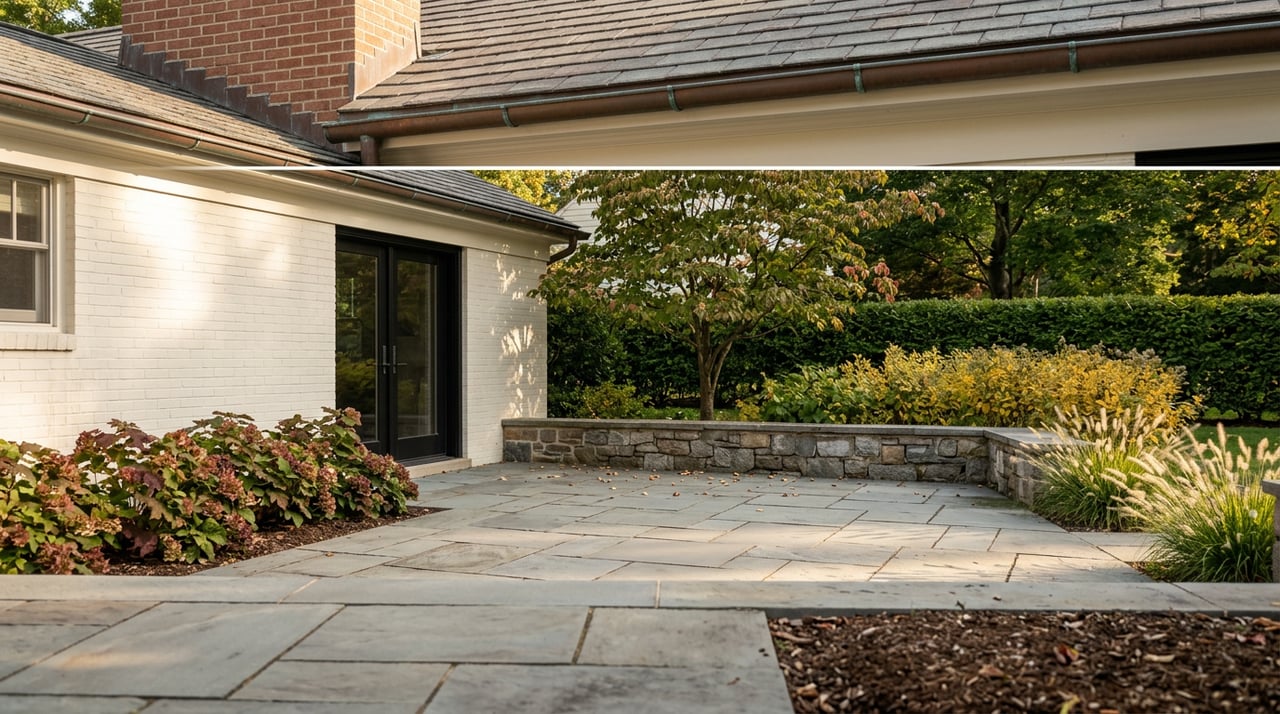
  • What to do: Add or refresh a deck, patio, lighting, and a simple grilling area or fire pit.
  • ROI note: Decks and modest outdoor projects often post solid recoup percentages compared with major interior additions in the Cost vs Value data. Composite materials reduce maintenance but cost more upfront.

5) Update systems and efficiency

  • What to do: Upgrade the electric panel, address older wiring, improve insulation, replace aging HVAC, and consider modern windows where appropriate.
  • Why it matters: While not always dollar-for-dollar at resale, these upgrades reduce buyer friction and inspection issues. The Cost vs Value report tracks growing interest in energy and mechanical updates.

6) Finish basements and accessory spaces

  • What to do: Finish a lower level with code-compliant egress, a play space, office, or media room. Keep finishes bright and durable.
  • Why it matters: In a Colonial footprint, a well-done basement adds usable area without changing the exterior. Cost vs Value shows basement remodels can perform well when finish levels match the home’s price band.

A smart order of operations

Start with the essentials, then stack upgrades that support lifestyle and resale.

  1. Safety and deferred maintenance. Address roof, drainage, electrical safety, and active leaks first. A licensed inspector can help build a priority list. See a clear scope in this home inspection guide.

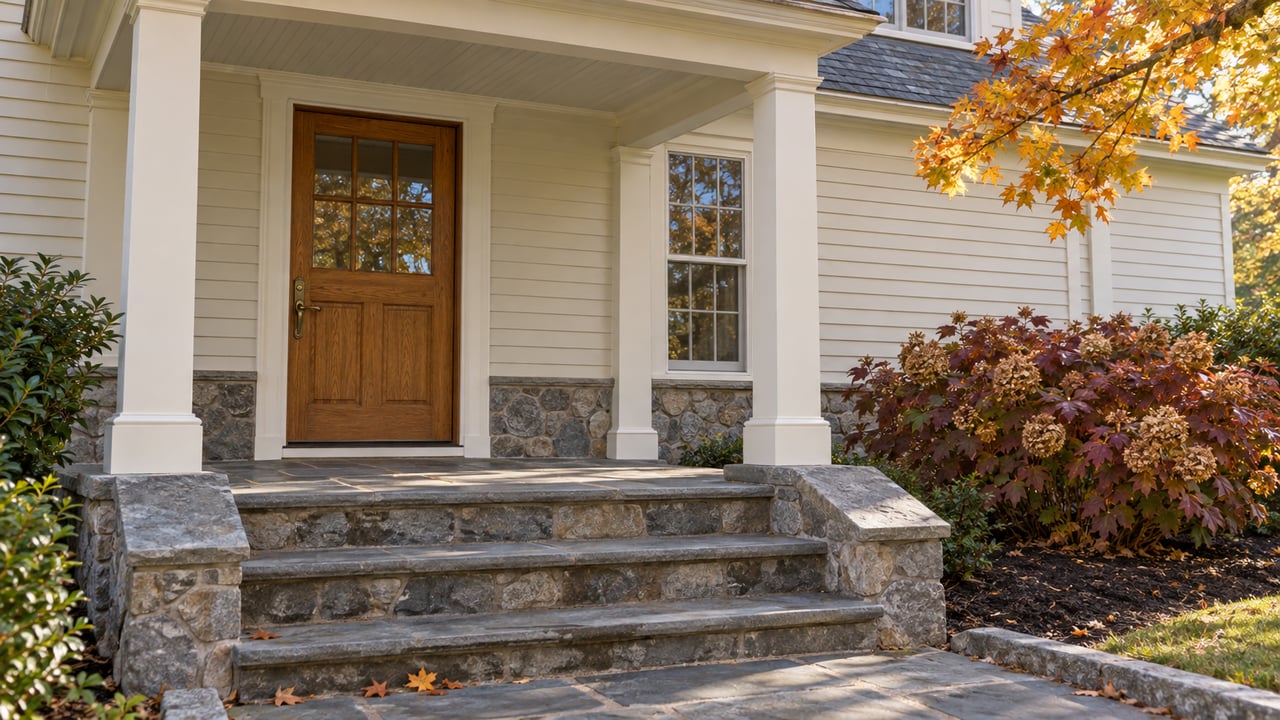
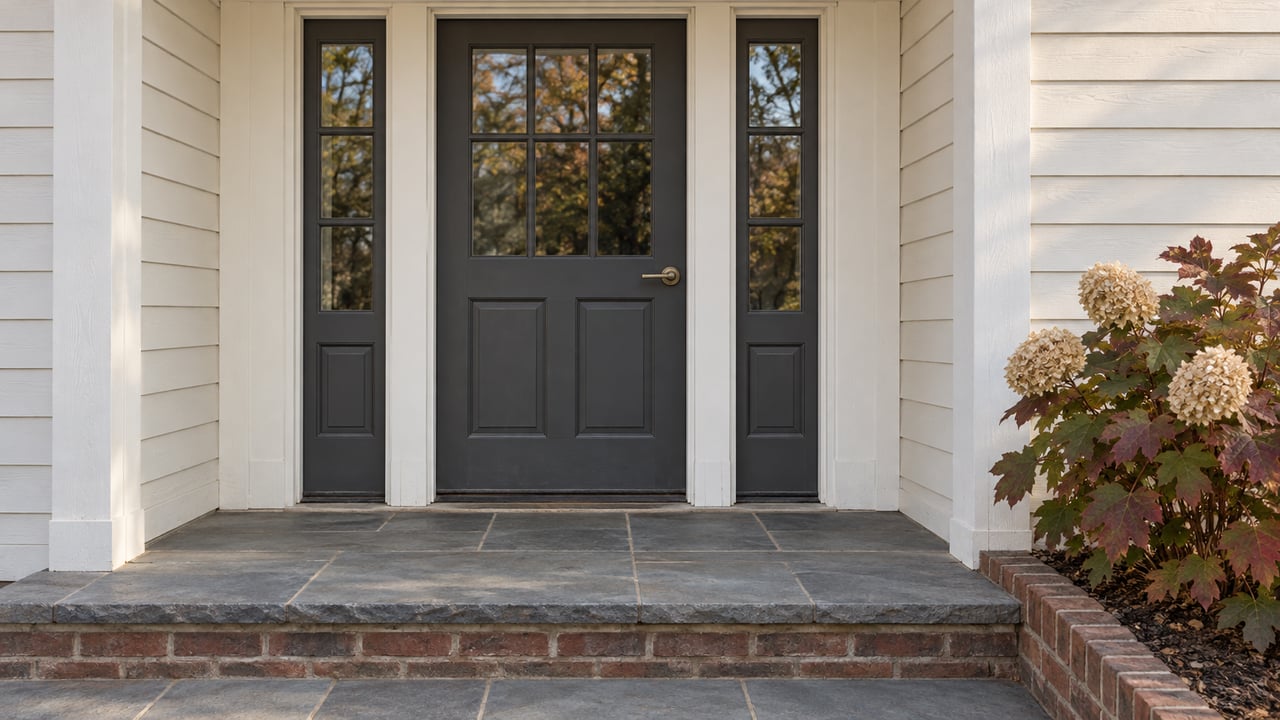
  2. High-impact, mid-cost updates. Improve curb appeal, refresh the entry door, complete a midrange kitchen update, and modernize a key bath. These projects consistently rank high in the Cost vs Value findings.

  3. Lifestyle-driven investments. Primary suite additions, major reconfigurations, or luxury kitchens make sense if you plan to enjoy them for years. For resale within a short horizon, set a budget that aligns with neighborhood comparables.

Permits and local rules to know

In the Devon area, Easttown and Tredyffrin require building permits for structural work and trade permits for electrical and plumbing. Fees and submittal checklists vary, so confirm early with your township. For a reference point, review the Easttown building permit FAQ. Submit full plans for additions, clarify who pulls permits in your contract, and allow time for reviews and inspections.

Timelines and scheduling tips

  • Cosmetic refreshes: days to a few weeks.
  • Midrange kitchens: often 6 to 12 weeks for the construction phase. See Angi’s kitchen timeline.
  • Additions or structural changes: plan for several months including design, permitting, and inspections.

Build in a 10 to 20 percent cost contingency and 2 to 8 weeks of schedule flexibility for older homes where hidden conditions can emerge.

Inspections and specialized testing

A standard inspection should cover structure, roof, exterior, HVAC, plumbing, electrical, insulation, and interiors. In older Main Line homes, also consider a sewer scope, radon test, termite/WDO report, and testing for asbestos or lead where materials are original. The home inspection checklist outlines typical scope and add-ons.

For radon, the EPA recommends testing and mitigation if levels exceed the action level. Radon testing is relatively inexpensive and worth including, especially if you alter foundations during renovation. See clear guidance in this radon resource.

Contractor selection on the Main Line

Choose contractors with experience in older Colonials who can preserve exterior character while modernizing interiors. Ask for proof of insurance, trade licenses where required, and references for similar local projects. The best contracts spell out scope, milestones, change-order rules, permit responsibilities, and final completion.

When original masonry or period millwork needs attention, bring in specialists and allow for lead times. Reviewing local portfolios, like this Main Line remodel showcase, can help you align design goals with execution.

Quick checklists

If you are touring Devon Colonials

  • Ask for dates and scope of major system upgrades.
  • Note the kitchen footprint and shared walls that affect plumbing and electric.
  • Look for an existing mud zone or a logical place to add one.
  • Request recent sewer scope, radon, and oil tank sweep records if available.
  • Confirm school district and nearby comparable sales.
  • Hire a local inspector who knows older Main Line homes. Use this inspection guide to frame requests.

If you are planning renovations

  • Safety and code first: electrical, roof, drainage, and leaks.
  • Fix visible defects that signal neglect.
  • Upgrade curb appeal and entry.
  • Target midrange kitchen and bath updates that fit local comps using the Cost vs Value report to guide scope.
  • Add outdoor living or pursue full reconfigurations if you plan to stay long term.

Bring it all together

Devon’s classic Colonials are easy to love and rewarding to update. Focus on flow in the kitchen, create a hardworking entry, right-size the primary suite, and bring systems up to date. Keep character outside, go practical and bright inside, and use township guidance to streamline permits. If resale is on your horizon, lean into midrange scopes that appeal to the widest buyer pool.

If you want a clear plan, our team pairs Compass marketing with Poplar Construction + Design to scope, price, and manage improvements that help you live better now and sell stronger later. Ready to map your renovation and resale strategy on the Main Line? Connect with Collin Whelan for a tailored consult.
FAQs

What are the best first updates for a Devon Colonial before resale?

  • Start with safety and deferred maintenance, then complete midrange kitchen or bath updates and curb appeal improvements that align with the Cost vs Value findings.

How long does a midrange kitchen remodel usually take on the Main Line?

  • The construction phase typically runs about 6 to 12 weeks, with added time for design, ordering, permits, and inspections per Angi’s timeline overview.

Do I need a permit to add a mudroom in Tredyffrin or Easttown?

  • Yes for most structural, electrical, or plumbing work. Review the township’s current fee schedule and submittals, such as the Easttown permit FAQ, and verify requirements with your municipality.

Are primary suite additions worth it for resale in Devon?

  • Often only in specific price bands. The Cost vs Value report shows large additions tend to recoup less than targeted updates, so consider reconfiguring existing space before building new.

What inspections and tests should I order for an older Main Line home?

  • A full home inspection plus sewer scope, radon test, termite/WDO, and asbestos or lead testing where materials are original. See this inspection checklist for scope.

How does commuter rail access near Devon affect renovation choices?

  • Proximity to rail increases emphasis on organized entries, storage, and easy daily flow. The Devon Station study underscores why routines and access shape buyer expectations.

Partner with Our Expert Team

Contact us today to schedule a consultation and experience the personalized service and expertise that make The Collin + Colleen Whelan Team.