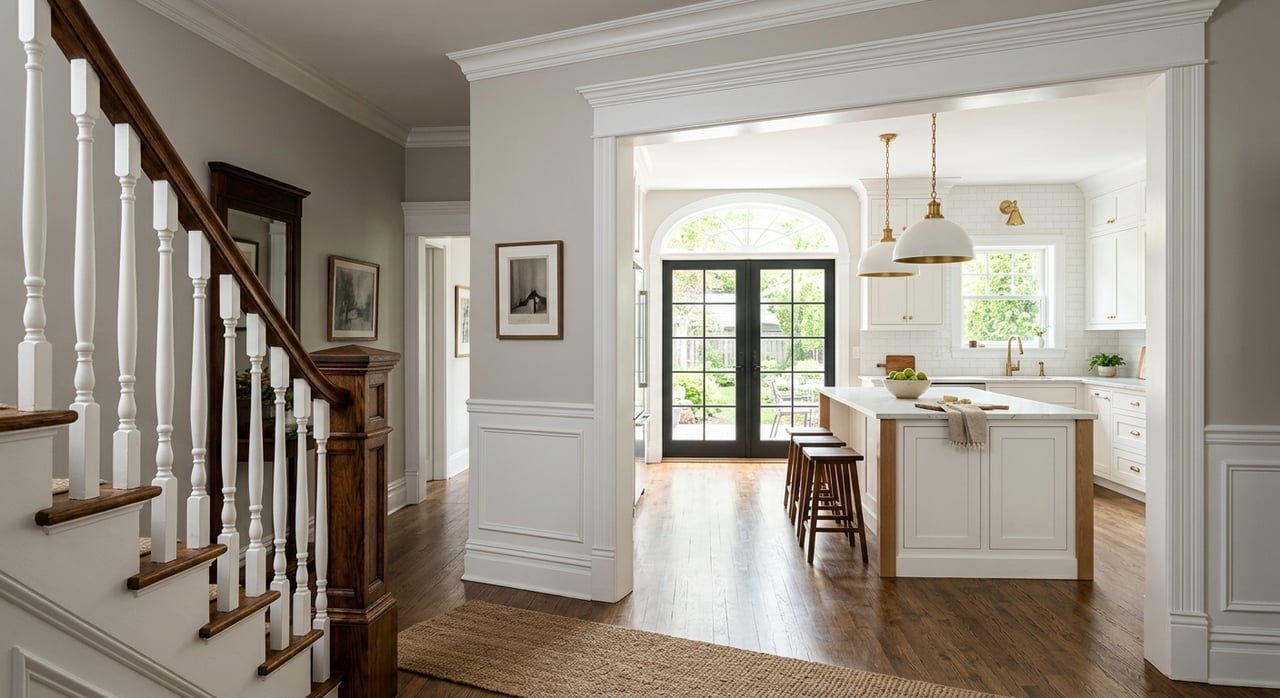
Navigating Ardmore’s Mix Of Vintage And Updated Homes
If you are house hunting in Ardmore, you have probably noticed the same thing many buyers do right away: one home has original details and decades of character, while the next offers updated systems and a more move-in-ready feel. That mix is a big part of Ardmore’s appeal, but it also means you need a clear way to compare charm, condition, and long-term costs. This guide will help you understand how Ardmore’s housing stock works, what to check in older homes, and how to weigh vintage properties against updated options with confidence. Let’s dive in.
Ardmore has long been a rail-oriented Main Line community with a strong mix of residential and commercial uses. Local history materials describe it as both a residential and commercial center, and the area’s commercial historic district includes tightly spaced 1- to 5-story buildings, many dating to the first half of the 20th century, with retail at street level and residential or office space above. That pattern helps explain why Ardmore often feels more mixed-use and walkable than many nearby suburbs, according to Lower Merion Township history materials.
The housing stock reflects that history. Census Reporter shows 6,443 housing units in Ardmore and a median owner-occupied value of $453,100, while the research provided also notes that a large share of homes were built decades ago. NeighborhoodScout estimates that 47.5% of homes were built before 1939 and 32.6% were built from 1940 to 1969, which means older housing is not the exception here. It is a major part of the local market.
Ardmore is not defined by just one kind of property. The area includes a broad mix of attached homes, apartments, detached houses, and smaller multifamily buildings, which gives buyers more options across price points and lifestyles.
Based on the research report, the housing mix breaks down like this:
That mix matters when you are setting expectations. In Ardmore, a vintage twin or townhome may offer the location and character you want, while an updated condo, renovated attached home, or newer infill property may offer lower maintenance and more modern systems.
Older homes in Ardmore often attract buyers because they offer details that are hard to replicate in newer construction. You may find original millwork, mature streetscapes, established blocks, and layouts close to the area’s walkable core. For many buyers, that sense of place is a major reason to focus on Ardmore in the first place.
Historic Ardmore data in the research report reinforces that vintage housing is central to the neighborhood identity. Point2 reports a median construction year of 1942 in Historic Ardmore, with 48.1% of homes built before 1940. If you are drawn to older homes, Ardmore gives you a meaningful supply to consider.
Character can be a real advantage, but older homes require closer review. The goal is not to avoid vintage properties. It is to understand which issues are manageable updates and which ones may turn into larger projects after closing.
A smart evaluation should include the major systems and structural components, especially in homes built many decades ago. Pay close attention to:
The research report notes that the EPA says 87% of homes built before 1940 have some lead-based paint, and federal disclosure rules apply to most housing built before 1978. You can review that guidance through the EPA’s lead-based paint resource. The same report also notes Department of Energy guidance that older homes often have inadequate insulation, and that air sealing plus insulation can improve comfort and may save up to 10% on annual energy bills.
In Ardmore, one of the biggest buyer mistakes is assuming all updates are equal. A home with a renovated kitchen may still have older wiring, dated plumbing, or insulation gaps. On the other hand, a home that looks less polished cosmetically may have already had expensive behind-the-walls work completed.
That is why it helps to separate visible style from system-level value. A cosmetic refresh can be appealing, but updated electrical, plumbing, windows, roof, HVAC, and drainage often have a bigger impact on your budget and day-to-day comfort. In a market with many older homes, this distinction matters.
In Ardmore, an updated home can mean very different things. Some homes have only surface-level improvements like paint, fixtures, and finishes. Others have gone through a much deeper renovation that addresses both appearance and core systems.
The research report points to recent Ardmore listings that show this range clearly. One home was marketed after a full gut renovation with new electrical, plumbing, windows, roof, hot water heater, and HVAC, while other examples included newer construction on Linwood Avenue and Simpson Road through recent Ardmore listing data. For you as a buyer, that means asking specific questions about what was updated, when it was done, and whether the work was cosmetic or comprehensive.
If you are buying an older home with plans to renovate, historic review can be part of the process. In Lower Merion, the Historical Architectural Review Board reviews visible exterior alterations, new construction, demolition, and signage for properties in designated historic districts.
That means you should verify whether a property is in a local historic district or listed on the Historic Resource Inventory before assuming changes like a porch rebuild, window replacement, facade revision, or addition will be simple. The township outlines this process through its HARB role and community guidance. Knowing that upfront can help you avoid timeline and budget surprises.
Ardmore does have newer housing options, but they are not typically part of large new detached-home subdivisions. Based on the research report, newer supply is being added mainly through redevelopment, infill, mixed-use projects, and other denser formats that fit the area’s built pattern.
For example, the approved W Lancaster Avenue project includes a five-story mixed-use building with 270 apartment units, retail, and parking, according to Lower Merion Township’s project information. The township’s planning efforts also frame downtown and the station area as redevelopment priorities. In practical terms, that means your newer-home choices in Ardmore are more likely to come from infill and redevelopment than from broad tracts of new single-family construction.
If you want Main Line access but are also watching your budget, Ardmore may stand out. The research report shows that in February 2026, Ardmore’s median sale price was $503,000, compared with $590,000 in Bryn Mawr, $655,000 in Narberth, $668,000 in Haverford, and $745,000 in Wynnewood, based on Redfin market data.
That does not mean Ardmore is a bargain in every case, especially in a competitive market. Redfin also reports that Ardmore was a very competitive housing market in February 2026, with homes selling after a median of 56 days and prices up 10.1% year over year. Still, the numbers suggest Ardmore can offer a relatively lower entry point than several nearby Main Line towns while still giving you access to transit, retail, and a strong town-center feel.
The right choice usually comes down to your timeline, budget flexibility, and comfort with projects. A vintage home may offer more character and renovation upside, while an updated home may give you more predictability in the short term.
Here is a simple way to frame the decision:
Ardmore is the kind of market where context matters. Two homes at a similar price point can have very different renovation needs, historic-review considerations, and long-term value potential. That is especially true in a community with older housing stock, attached homes, redevelopment activity, and a competitive sales environment.
Working with a team that understands both the real estate side and the renovation side can make that comparison much clearer. Whether you are looking at a vintage home with strong bones or a more updated property that still needs a careful review, local insight can help you make a smarter decision with fewer surprises.
If you are thinking about buying or selling in Ardmore, Collin Whelan can help you evaluate condition, renovation potential, and market positioning with a practical Main Line lens.

Contact us today to schedule a consultation and experience the personalized service and expertise that make The Collin + Colleen Whelan Team.
216 E Lancaster Ave Wayne PA 19087