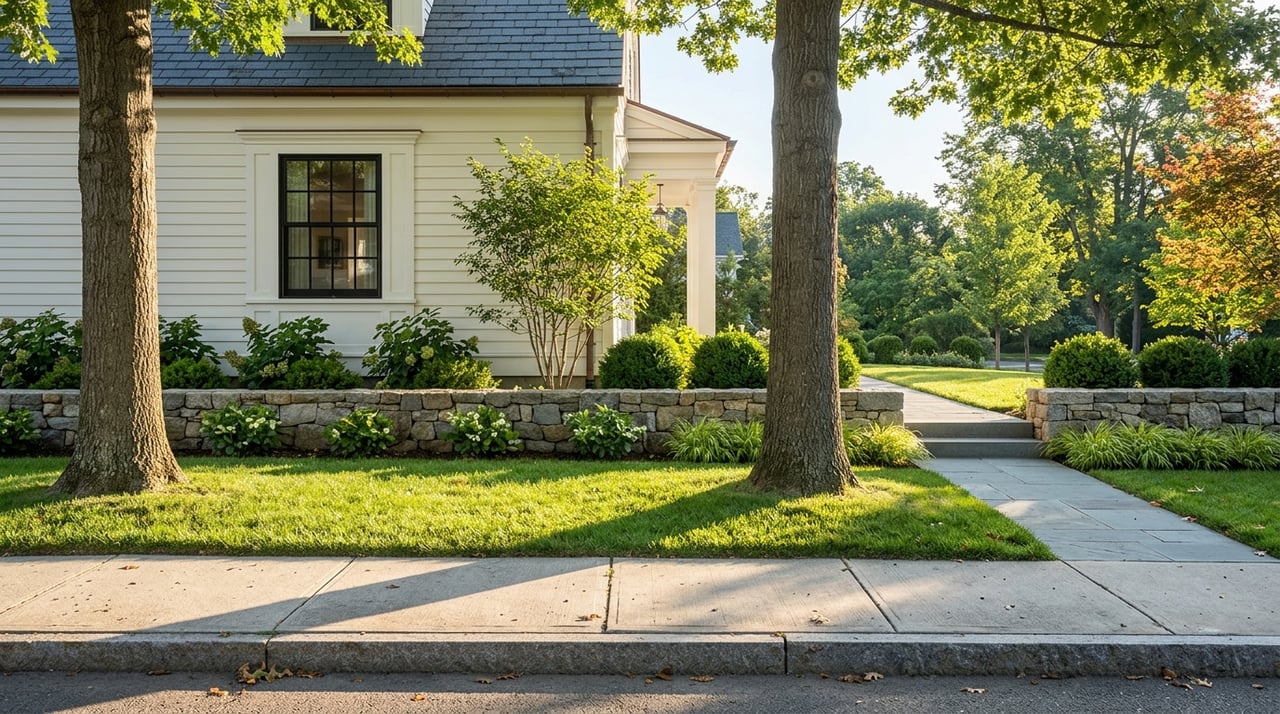
Your Haverford PA Neighborhood Guide to Daily Life
If you are considering Haverford, one of the first questions is usually simple: what does daily life actually feel like here? That matters because a place can look great on a map but function very differently once you start thinking about errands, commuting, recreation, and the pace of a normal week. In Haverford, the answer is less about one single downtown and more about a network of neighborhood destinations, green spaces, and practical transit options that shape everyday rhythm. Let’s dive in.
Haverford Township is best understood as a mostly residential community with a mix of retail and service businesses, restaurants, and shopping centers woven into daily life. According to the township, its long-range planning focus includes walkable neighborhoods, strong local business corridors, and accessible green space. That gives you a good sense of the local character.
Instead of one central business district, Haverford functions through several neighborhood-scale corridors. The township’s planning materials point to roads like West Chester Pike, Eagle Road, Haverford Road, Darby Road, Township Line Road, and Brookline Boulevard as the places that organize movement, errands, and local activity. In practical terms, that means your routine often depends on which part of Haverford you call home.
If you are hoping for a fully urban, pedestrian-first layout, that is not the most accurate way to describe Haverford. The township’s planning documents make clear that walkability is strongest in specific commercial pockets, while some stretches still need improved crossings, sidewalks, and bus stop access.
That distinction matters when you are choosing where to live. In Haverford, being “walkable” often means you can comfortably reach a cluster of restaurants, shops, services, or civic destinations from certain neighborhoods, rather than assuming the whole township works the same way on foot.
One of the clearest examples is Brookline Boulevard in the township planning update. It is specifically described as a popular restaurant row, and the corridor has seen improvements like bike lanes and on-street parking. The same planning materials also identify wider sidewalks and outdoor dining space as part of the area’s continued evolution.
If your ideal routine includes grabbing coffee, meeting friends for dinner, or walking to a few neighborhood businesses, Brookline helps illustrate the kind of lifestyle Haverford can offer. It is a good example of how the township blends suburban residential living with active local nodes.
Brookline is not the only area that matters. Township materials also point to Llanerch and the Manoa and Darby Road area as neighborhood-commercial districts, and the Haverford Township Free Library at 1601 Darby Road reinforces Darby Road’s role as an important civic corridor.
For you as a buyer, that means daily convenience may come from access to these smaller hubs. A quick library stop, a meal out, or a short errand run may feel easy if you are near the right corridor, even if other areas are more car-dependent.
A major part of life in Haverford is access to outdoor space. The township’s current park and recreation planning states that it owns 34 parks, giving residents a broad network of places to get outside, move, and reset.
Among the notable assets highlighted by the township are Andy Lewis Community Park at Haverford Reserve, Darby Creek Valley Park, and the Pennsy Trail Greenway. That variety is part of what makes Haverford appealing for many buyers. You are not relying on one signature park. You have options for different moods and routines.
Outdoor access is only part of the picture. The Community Recreation & Environmental Center, or CREC, adds a year-round indoor component with a walking track, fitness center, basketball courts, pickleball, and rentable spaces.
That kind of amenity can have an outsized effect on everyday life. It gives you a practical option for exercise, recreation, or community activity even when the weather is not cooperating. The township also notes that the walking track is free for residents with a pass, which makes it a useful part of a weekly routine.
Haverford also has a lifestyle feature that many suburbs do not: a long-running public ice rink. The township has operated the Skatium since 1974, and it supports hockey, figure skating, youth and adult leagues, and other programs.
That gives the area a distinct rhythm beyond daytime errands and weekend park visits. If you picture a week that includes evening activities, seasonal routines, or recreational options close to home, the Skatium is part of that story.
One of Haverford’s practical strengths is that getting around does not have to look the same every day. Based on township planning materials and SEPTA resources, commuting here is best described as multi-modal. Depending on where you live and where you are headed, you may walk, drive, take rail, or use bus connections.
That flexibility is valuable if your schedule changes from day to day. Some trips may be easiest by car, while others work well through transit links or neighborhood access to local commercial areas.
For trips into Philadelphia, SEPTA’s Paoli/Thorndale line schedule lists Haverford Station and shows connections to Center City stops including 30th Street, Suburban, and Jefferson. The same schedule also notes bus connections at the station via routes 105 and 106.
If you are comparing suburban locations, that kind of rail access can be an important quality-of-life factor. It supports commuting, city visits, and regional flexibility without making every trip fully car-dependent.
The Norristown High Speed Line map is also relevant for Haverford, with area stations including Beechwood-Brookline and Penfield. The route connects to 69th Street Transit Center, which serves as a major transfer point with broader bus and metro connections.
That gives Haverford another layer of mobility. It is not just one station or one line doing all the work. For many residents, the appeal is having more than one way to connect across the region.
For shopping, dining, or a nearby Main Line destination, SEPTA’s Ardmore guide describes Ardmore as the Main Street of the Main Line, with Suburban Square and shopping and dining along Lancaster Avenue and Cricket Avenue. Ardmore is also served by rail and bus routes 44, 103, 105, and 106.
For Haverford residents, Ardmore can function as a nearby complement to local amenities. You may spend plenty of time close to home, but it helps to know there is another established commercial hub nearby when you want more options.
So what is the overall rhythm of living in Haverford? In many ways, it feels like a suburb built around practical convenience and neighborhood-scale variety. You may run errands along one corridor, meet friends on Brookline Boulevard, spend time in a local park, and use rail or road access when the day takes you farther out.
That rhythm is appealing because it is flexible. Haverford does not rely on one experience to define it. Instead, it offers a mix of residential calm, civic and commercial pockets, outdoor amenities, and regional access that can support a wide range of routines.
If you are evaluating Haverford, it helps to think less in broad labels and more in terms of how you want your week to work. Two homes in the same township can offer very different daily experiences depending on corridor access, park proximity, and transit convenience.
A few smart questions to ask include:
Those questions usually lead to better decisions than focusing only on square footage or finishes. The right fit often comes from matching the home to the rhythm you want.
If you are exploring Haverford or comparing it with nearby Main Line communities, working with a team that understands how block-by-block lifestyle differences affect value and fit can make the process much clearer. Collin Whelan can help you evaluate not just the house, but how the location supports the way you actually want to live.

Contact us today to schedule a consultation and experience the personalized service and expertise that make The Collin + Colleen Whelan Team.
216 E Lancaster Ave Wayne PA 19087