Deciding between a condo and a townhome in Bryn Mawr can feel like picking between simplicity and space. You might want low maintenance and a lock-and-leave setup, but you also value privacy, storage, and a home that lives like a house. The good news: both options exist across ZIP 19010, and each can fit your lifestyle and budget with the right plan. In this guide, you’ll learn how condos and townhomes differ in ownership, maintenance, cost, and financing, plus how to match each to your goals with real Bryn Mawr examples. Let’s dive in.
Condo vs. townhome at a glance
If you want a quick mental model: a condo is typically a private unit within a shared building, while a townhome is a multi-level residence that may be fee-simple or part of an association. In a condo, the association usually handles exterior and common areas. A townhome can feel more like a house with its own entry and multiple floors, but the owner’s responsibilities depend on how the community is set up. For a plain-English overview, see this practical breakdown of condo versus townhouse ownership models.
What it costs in 19010 today
Market numbers vary by source and the exact definition of Bryn Mawr. As of December 2025, Realtor.com reported a median listing price around $542,000 for ZIP 19010. Early 2026 Redfin data for the Bryn Mawr CDP showed a median sale price near $420,000. These differences come from using different geographies and metrics. The takeaway for you is to focus on the type of home and the specific community when you compare prices.
Here is a simple rule of thumb for 19010 based on recent listings and sales:
- Condos: Many units sell from the low to mid $200,000s up to $400,000–$500,000, with larger or luxury units above that. A recent village condo example sold near $395,000.
- Townhomes: Older or in-community townhomes often start around $500,000, while newer walkable models in the village can reach $1 million or more.
Why the overlap? Age, finish level, parking or a deeded garage, proximity to the train, and district lines all play a role. Parts of 19010 include Radnor, Lower Merion, and Haverford school districts. You can review the district overlap for ZIP 19010 to understand how boundaries can vary.
Lifestyle and maintenance tradeoffs
Condo living: pros and cons
- Pros: You get convenience. The association often covers building exterior, roof, grounds, and sometimes shared utilities. Many buildings have elevators and controlled entries. If you travel or want a simpler setup, this can be ideal. Learn what typical HOA or condo fees may cover so you know what to expect monthly.
- Cons: You will have monthly dues and community rules. Pet policies, rental rules, and renovation limits can apply. If reserves are low, special assessments can happen. Financing can also depend on project eligibility, not just your personal profile.
Townhome living: pros and cons
- Pros: You usually get more interior space, vertical separation of living areas, and private entries. Many townhome communities still handle landscaping and snow removal, which gives you a house-like feel without full yard upkeep.
- Cons: You may still pay monthly dues. In some communities, owners are responsible for the roof, exterior, and structure. In amenity-rich neighborhoods with pools or a Manor House, dues can run higher. Example listings in one local community show fees around the low to mid $500s per month.
Insurance and responsibility
- Condos: The association’s master policy typically covers the exterior and common areas. You carry an HO-6 policy for interior walls-in coverage. Get familiar with how HOA insurance works so you are clear on deductibles and gaps.
- Townhomes: If it is fee-simple, you may insure the structure and exterior. If the townhome is organized as a condominium, the association may cover some or all exterior items. Always confirm coverage in the association documents.
Ownership, HOA powers, and financing in Pennsylvania
Pennsylvania’s condo and planned community statutes allow associations to levy assessments and place liens for unpaid dues. Boards have fiduciary duties to manage budgets, reserves, and capital projects. You should expect resale disclosures that outline reserves and any current or planned assessments. Review the Pennsylvania statute on association liens and powers to see how this works.
Financing can differ for condos because many lenders evaluate the entire project. Agency programs look at owner-occupancy, reserve funding, delinquency rates, litigation, commercial space, and developer concentration. If a project is not eligible, you may face fewer loan options or different terms. See how lenders review condo projects so you can check eligibility early.
Monthly cost drivers: quick comparison
| Cost driver |
Condo |
Townhome |
| HOA or condo dues |
Often higher, cover exterior, grounds, and common systems |
Varies. Can be modest or higher if amenities are robust |
| Insurance |
HO-6 covers interior, master policy covers exterior/common areas |
If fee-simple, you may cover structure and exterior. If condo-structured, master policy may apply |
| Exterior maintenance |
Handled by association |
Often reduced by HOA, but responsibilities vary by declaration |
| Utilities |
Some buildings include certain utilities in dues |
Usually metered to the unit, similar to single-family homes |
| Taxes |
Based on unit assessment and local rates |
Based on lot and structure assessment and local rates |
Tip: Ask for a detailed HOA budget and reserve study to see how the association sets dues and plans for big-ticket items.
Real Bryn Mawr examples you will see
- Village condo: Garden or mid-rise buildings near the village often feature 1 to 2 bedrooms, elevator access, and walk-to conveniences. A recent 2-bedroom condo in the village sold for about $395,000. This is a solid downsizer profile with manageable monthly costs.
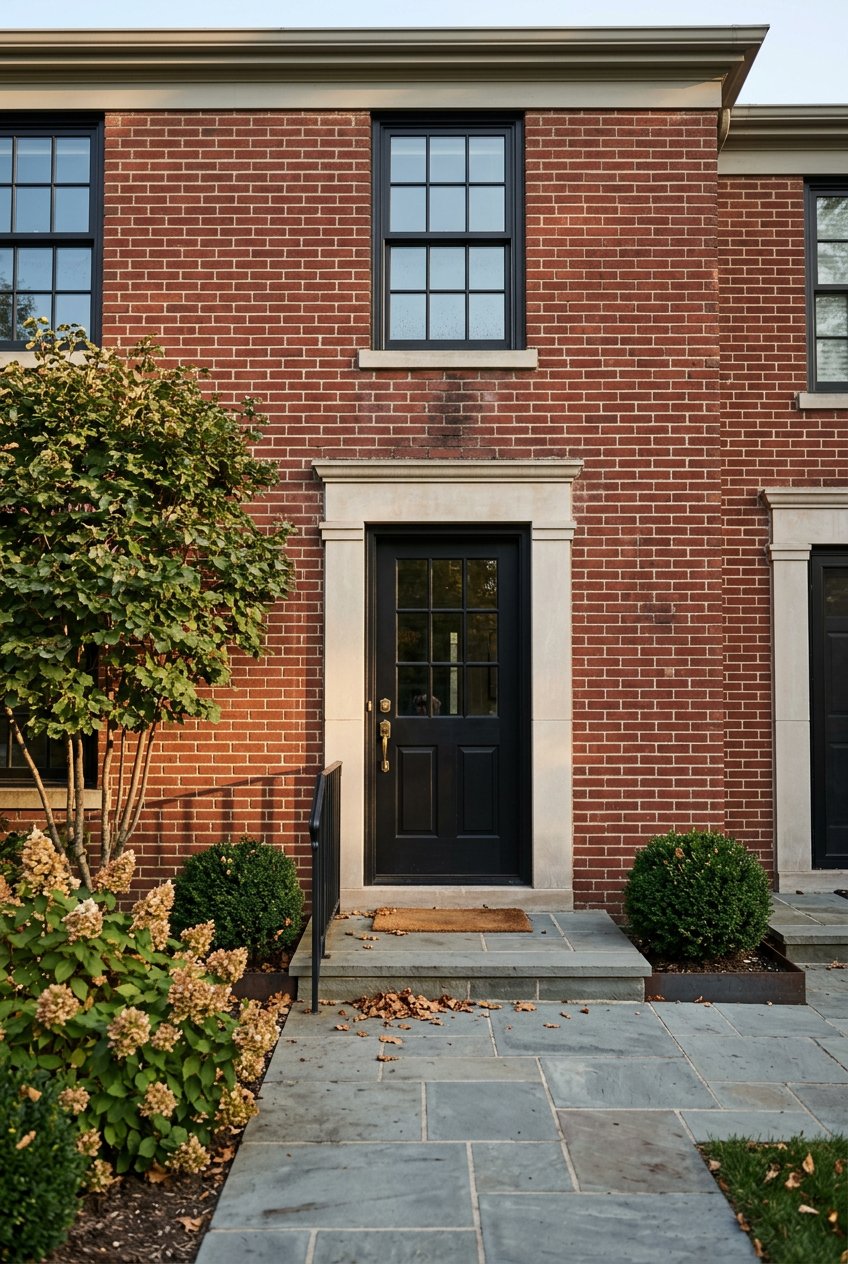
- Premium village townhome: Newer infill townhomes near the core offer 2,400 to 2,700 square feet, rooftop decks, garage parking, and a low-maintenance pitch. Pricing can range from the high six figures to just over $1 million, reflecting space and location.
- Amenity-rich townhome community: Planned communities like Millridge include townhomes and garden condos, community amenities, and association services. Recent examples sold in the mid $500,000s, with dues in the low to mid $500s per month. This is a good fit if you value amenities and a campus-like setting.
When to pick which
- Choose a condo if you want the simplest living experience. If you prefer a single level or elevator building, travel often, or want a turnkey lock-and-leave, a condo aligns well.
- Choose a townhome if you need more space without full yard care. Multi-level layouts, private entries, and extra storage feel house-like while the HOA often handles exterior chores.
- Choose based on financing if you want the smoothest loan path. Townhomes that are fee-simple may avoid some project-level condo reviews. If you are set on a condo, have your lender check project eligibility early.
Your due diligence checklist
Use this to keep your process tight and predictable:
- Request the full HOA packet: declaration, bylaws, CC&Rs, current budget, last two years of financials, reserve study, insurance certificate, management contract, and the last 12 months of meeting minutes. Pennsylvania resale disclosures should include reserves and assessments. Read about Pennsylvania reserve study and disclosure expectations.
- Get the lender’s HOA questionnaire early for condos. Your lender will confirm owner-occupancy rates, reserve funding, delinquencies, and special assessments. See how agency lenders evaluate condo projects.
- Review insurance. For condos, confirm what the master policy covers and what your HO-6 must cover. For townhomes, confirm if the structure and exterior are your responsibility and check the deductible structure. Here is a helpful explainer on HOA insurance basics.
- Watch for red flags that can affect loans and resale. Low reserves, high HOA delinquency rates, pending litigation, and high investor concentration can limit buyer financing. This summary outlines common project issues lenders flag.
Commute, walkability, and transit
One reason buyers love Bryn Mawr is access to the Paoli-Thorndale line and a compact, walkable core. Bryn Mawr Station connects you to Center City and other Main Line stops. If proximity to the station matters, you can review transit details on Bryn Mawr’s transportation page and factor that into your search.
How we help you choose with confidence
You want clarity on total monthly cost, long-term maintenance, and resale potential. Our approach focuses on the full picture: HOA health, financing paths, and any strategic updates that can improve livability and value. If you decide to buy, we can help you weigh move-in-ready options against light design upgrades, with cost and timeline guidance to match your goals.
Ready to compare real options in 19010 and nearby Main Line towns? Connect with us to map the best fit for your lifestyle and budget. Schedule a Consultation with Collin Whelan.
FAQs
What is the main difference between a condo and a townhome in Bryn Mawr?
- A condo is a unit in a shared building where the association handles exteriors and common systems, while a townhome is a multi-level home that may be fee-simple or association-governed depending on the community documents.
How do HOA or condo dues work in 19010?
- Dues vary by community and what they cover, from grounds and exterior care to common utilities and amenities; review the budget and reserve study to see if dues align with services and capital plans.
Why can condo financing be more complex than townhome financing?
- Lenders evaluate condo projects for eligibility, looking at reserves, owner-occupancy, delinquencies, and litigation, which can affect your loan options even if your personal finances are strong.
What should I review in a condo or townhome HOA before buying?
- Check the declaration, bylaws, budget, reserves, insurance, meeting minutes, and any planned assessments to understand responsibilities, upcoming projects, and financial health.
Do school district lines affect pricing in Bryn Mawr?
- Yes, parts of 19010 fall into different public school districts, which can influence values; verify boundaries for each property address before you compare homes.