Buying A Home In Villanova Near Campus: Key Considerations
If you are thinking about buying near Villanova University, the appeal is easy to see. You get a well-connected Main Line location, a mix of distinctive homes, and close access to campus activity, transit, and major roadways. But living near campus also comes with practical questions about traffic, parking, rental rules, and long-term fit. Let’s dive in.
Villanova University sits on a 260-acre campus at 800 E. Lancaster Avenue in the heart of the Main Line. For many buyers, that location is the real advantage. You are not just buying near a university. You are buying into a suburban setting with access to I-76, I-476, and Philadelphia International Airport, which is about 20 miles away.
That connectivity can make day-to-day life easier whether you commute locally, travel often, or want flexible transportation options. The campus area also has rail and bus access, which adds another layer of convenience. In a suburban market, that kind of transit link can be a meaningful differentiator.
Villanova’s campus area is not purely car-dependent. The university identifies SEPTA access through the Paoli/Thorndale Regional Rail line and the Norristown High Speed Line. SEPTA also serves the area through Villanova and Stadium stations on the Norristown High Speed Line, along with bus routes 105 and 106 on Lancaster Avenue.
For you as a buyer, that means proximity to campus may also mean proximity to practical transportation choices. If you value flexibility, it is worth looking beyond drive times alone. A home near a rail stop or along a bus corridor may support your lifestyle in ways that are easy to overlook during a quick showing.
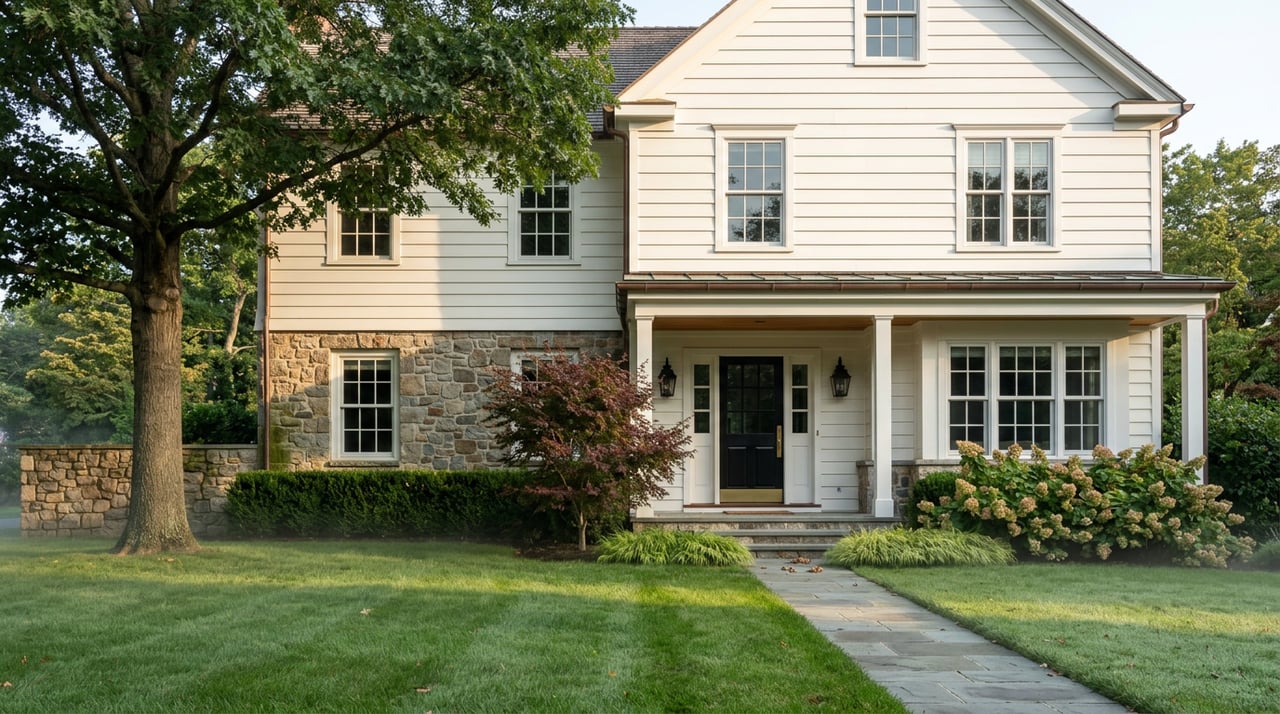
One of the biggest surprises for buyers in Villanova is how varied the housing stock can be. This is not a uniform subdivision market with one dominant home style repeated block after block. Lower Merion’s history points to a broad architectural mix shaped by estate-era development, rail access, and architect-designed homes.
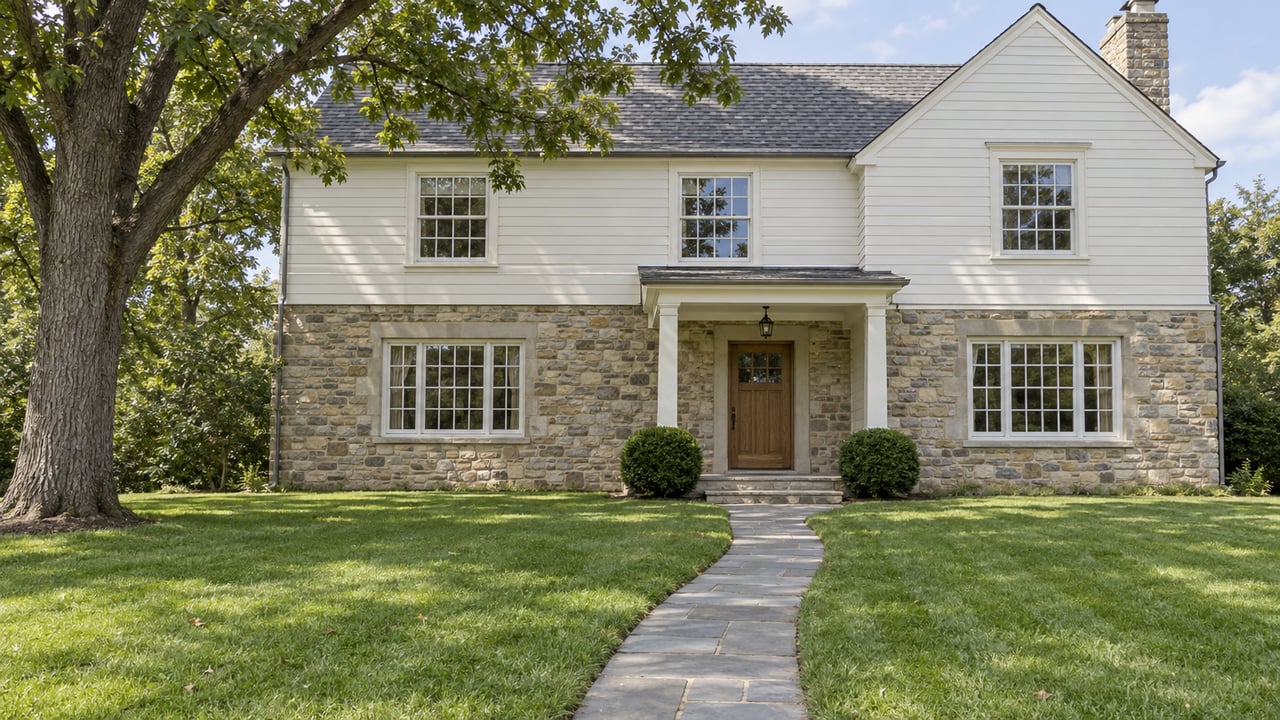
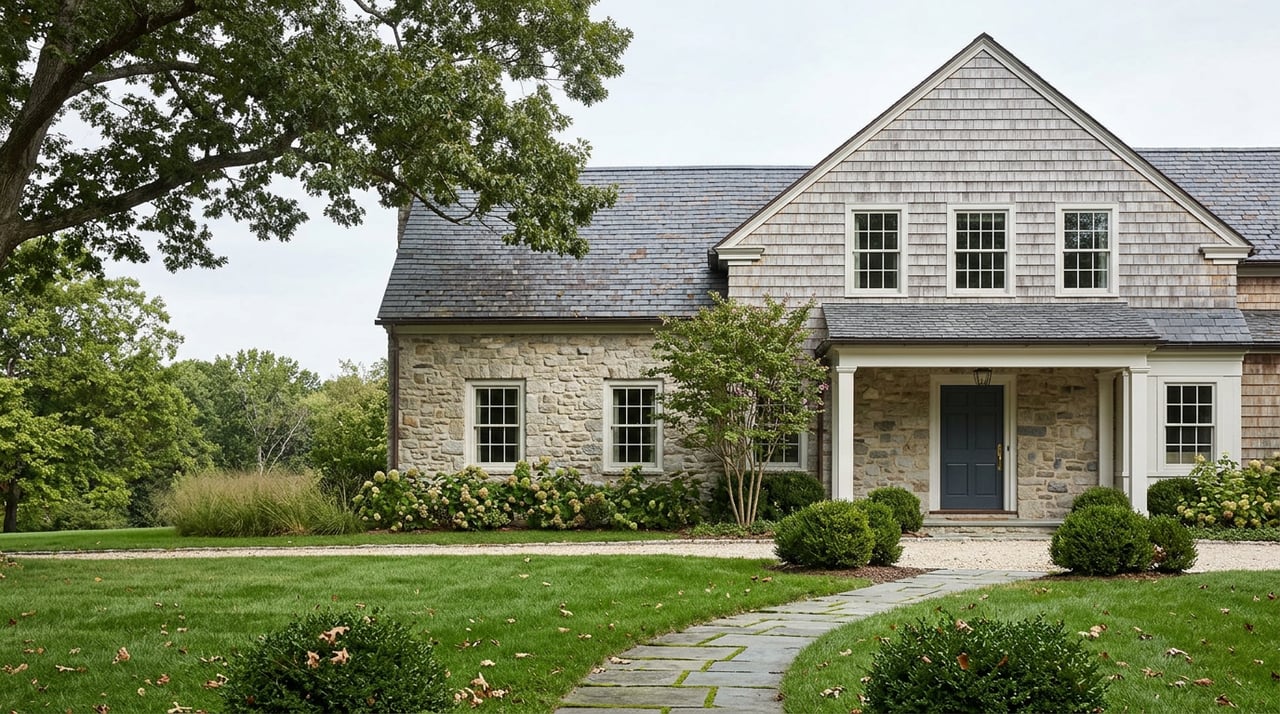
Depending on the street and setting, you may find Victorian influences, Colonial Revival details, English country house character, stone homes, and preserved estates that have been updated over time. Appleford is one example of that layered history, beginning as a 1728 stone farmhouse and later reworked by Colonial Revival architect R. Brognard Okie in the 1920s.
That variety is part of what makes Villanova appealing, but it also means you need to evaluate homes individually. Two properties that seem close on a map can offer very different lot layouts, renovation needs, architectural details, and long-term maintenance profiles.
Parking near campus deserves more attention than many buyers give it at first. Villanova states that campus lots are private and permit-controlled, and visitor parking is directed through the I-1 Garage. Enforcement can include citations, boots, or towing.
That matters because buyers sometimes assume they can rely on nearby campus parking for guests or overflow. In practice, parking rules are structured and enforced. If you are considering a home near campus, it is smart to think carefully about driveway space, garage utility, street restrictions, and what happens when you have visitors.
Residential parking near the university is also regulated. Radnor Township limits residential parking to qualifying time-zone streets and permit holders, while Lower Merion requires residential permits on restricted streets and may require vehicles to be moved for special events.
In plain terms, closer-to-campus convenience can come with more rules. Before you buy, it helps to understand whether the address falls in Radnor Township or Lower Merion and what that means for street parking. This is one of those details that can shape your daily experience more than buyers expect.
Living near campus often means living with a calendar. Villanova’s official parking and event guidance notes that football gamedays, Commencement, and other major events can create significant congestion. The university specifically warns that traffic and parking can be extremely congested during Commencement and encourages early arrival, carpooling, transit, or rideshare.
The 2026-27 university calendar highlights several key windows, including move-in on August 19, 2026, Family Weekend on September 25-27, 2026, and Baccalaureate and Commencement on May 13-15, 2027. These are the times most likely to affect guest volume, local traffic patterns, and parking availability.
That does not mean buying near campus is a bad idea. It just means you should go in with a clear picture of the rhythm. For some buyers, that energy is part of the appeal. For others, a slightly different location within Villanova may offer a better balance.
If you are buying with future rental income in mind, local rules matter more than broad assumptions. Near Villanova, rental strategy is shaped heavily by township regulation, and the rules can differ depending on the exact address.
Radnor Township requires rental-unit registration, annual fees, and compliance review before a rental license is issued. It also states that new student housing requires a special exception, and its zoning code allows no more than one unrelated individual in a housekeeping unit.
Lower Merion also requires rental properties to maintain a business license and rental license. Its current guidance states that all rental properties, including short-term rentals, need an annual rental license, while student rentals require a student rental license and no more than three unrelated individuals may live in a single-family dwelling.
These rules mean you cannot evaluate rental potential by ZIP code alone. You need to understand what the township allows, which licenses apply, and what occupancy limits may control how the property can be used.
For buyers looking at long-term flexibility, this is where local guidance matters. A home that seems like an obvious campus-adjacent rental opportunity may have a very different use profile once township requirements are reviewed carefully.
Buying near Villanova is not just about current convenience. It can also be about future marketability. The university says it is Radnor Township’s largest employer and estimates an annual economic impact of $62 million in Radnor Township, $326 million in Delaware County, and nearly $900 million statewide.
That does not guarantee appreciation, and no one should treat campus proximity as a simple shortcut to future value. Still, institutional stability, visitor activity, and strong transportation access can support long-term buyer interest. When you think about resale, it helps to consider not only distance to campus, but also parking practicality, traffic patterns, architectural appeal, and overall livability.
A smart campus-adjacent purchase starts with the right questions. The goal is not just to like the house. The goal is to understand how the property functions in real life.
Here are a few key items to review:
In Villanova, small location details can change the buying decision. Township rules, seasonal campus activity, access points, and housing style all influence how a property lives and how it may perform over time.
That is why a local, hands-on approach matters. If you are comparing an older stone home, a renovated townhome, or a property with future improvement potential, the right advice is not just about price. It is about fit, feasibility, and understanding the tradeoffs before you commit.
If you are planning a move near campus, working with a team that understands Main Line housing stock, municipal context, and renovation potential can help you buy with more clarity and fewer surprises. When you are ready to talk through Villanova options, connect with Collin Whelan for practical guidance tailored to your goals.

Contact us today to schedule a consultation and experience the personalized service and expertise that make The Collin + Colleen Whelan Team.
216 E Lancaster Ave Wayne PA 19087